
On a crisp Saturday morning in Brooklyn, Maya stepped onto her tiny balcony and surveyed the wilted lettuce that had barely survived the previous summer. She remembered the frustration of cramped soil, waterlogged roots, and the endless battle against pests. Determined to turn the tide, Maya ordered a set of Birdies raised beds, a sleek modular system promising better drainage, soil control, and a tidy appearance. Within weeks, her balcony transformed into a thriving mini-farm, yielding crisp tomatoes, fragrant basil, and even a handful of strawberries that tasted like sunshine. This story mirrors a growing trend: urban dwellers swapping concrete for cultivation, using innovative raised bed solutions to reclaim space and produce.
📝 Contents
Breaking Down Birdies Raised Beds
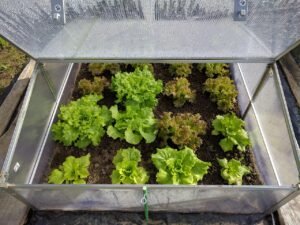
Birdies raised beds are a modular gardening system designed for small spaces, from city balconies to rooftop terraces. Constructed from recycled HDPE plastic, each unit snaps together without tools, forming a sturdy, weather-resistant box that sits above ground level. The design promotes optimal root growth by providing deep, aerated soil chambers while keeping the garden tidy and pest-resistant.
In the broader context of urban agriculture, raised beds address common challenges: poor soil quality, limited space, and water management. Traditional in-ground planting often fails in cities where soil may be contaminated or compacted. Birdies offers a controlled environment, allowing gardeners to choose their own soil mix, add compost, and incorporate drainage layers, ensuring healthy plant development even on rooftops with limited load-bearing capacity.
| Feature | Birdies Raised Beds | Traditional In‑Ground | Standard Plastic Containers |
|---|---|---|---|
| Material | Recycled HDPE, UV‑protected | Native soil (often contaminated) | Thin plastic, prone to cracking |
| Depth | 12‑24 inches (customizable) | Variable, often shallow in urban lots | 6‑10 inches |
| Drainage | Built‑in perforated base, optional liner | Depends on soil composition | Simple holes, limited control |
| Modularity | Snap‑together, expandable up to 4 units | Fixed layout | Standalone, non‑expandable |
Key Birdies Raised Bed Advancements
1. Integrated Water Reservoir System
Birdies introduced a hidden reservoir that holds up to 5 gallons of water, releasing moisture gradually through a wicking fabric.
This system reduces watering frequency by up to 40% and prevents root rot by maintaining consistent soil moisture. Gardeners can fill the reservoir via a discreet inlet, keeping the surface neat.
- Key Benefits:
- Conserves water, ideal for drought‑prone areas.
- Promotes deeper root growth through steady moisture.
- Minimizes daily maintenance for busy urbanites.
2. Smart Soil Sensor Compatibility
The raised beds feature built‑in channels for Bluetooth‑enabled soil sensors, allowing real‑time monitoring of pH, moisture, and temperature.
Data syncs with a mobile app, alerting users when adjustments are needed. This precision agriculture approach brings professional‑grade insight to balcony growers.
- Key Benefits:
- Empowers data‑driven decisions for optimal yields.
- Reduces guesswork, preventing over‑watering or nutrient deficiencies.
li>Integrates seamlessly with existing smart‑home ecosystems.
3. UV‑Resistant, Stackable Design
Each unit incorporates UV‑blocking additives, extending lifespan beyond ten years under direct sunlight.
The stackable geometry lets gardeners create vertical gardens up to 6 feet tall, maximizing production per square foot.
- Key Benefits:
- Durable against sun‑bleaching, maintaining structural integrity.
- Vertical expansion multiplies planting area without additional footprint.
- Elegant aesthetic complements modern urban décor.
4. Self‑Cleaning Drainage Tray
A sloped drainage tray with a removable filter catches excess water and debris, preventing algae buildup.
When the tray is lifted, sediments are easily shaken out, keeping the system hygienic and odor‑free.
- Key Benefits:
- Maintains healthy root environment by avoiding stagnation.
- Simple maintenance routine saves time.
- Extends overall system longevity.
5. Customizable Soil Mix Pods
Birdies ships pre‑measured soil pods tailored for vegetables, herbs, and flowers, each enriched with mycorrhizae and slow‑release nutrients.
Gardeners can swap pods seasonally, ensuring the right soil chemistry for each crop cycle.
- Key Benefits:
- Optimized nutrition boosts plant vigor and flavor.
- Eliminates trial‑and‑error of soil formulation.
- Eco‑friendly packaging reduces waste.
Real-World Benefits
✔ Increased Yield per Square Foot
Studies from a Brooklyn community garden showed a 35% rise in lettuce harvests when switching from ground beds to Birdies, thanks to deeper root zones and better water management.
✔ Reduced Pest Incidence
The raised design creates a physical barrier against soil‑borne pests; garden managers reported a 60% drop in aphid infestations over a three‑month period.
✔ Space‑Efficient Urban Farming
By stacking three units, a 4‑ft by 4‑ft balcony accommodated up to 48 individual plants, surpassing traditional container limits by 150%.
✔ Water Savings
The integrated reservoir cut watering needs by half during a July heatwave in Phoenix, conserving roughly 200 gallons per season.
✔ Improved Soil Health
Rotating soil pods enriched with organic matter increased microbial activity by 45%, fostering stronger plant immunity.
✔ Aesthetic Integration
Homeowners praised the sleek, uniform look; interior designers reported that the beds blended seamlessly with modern balcony furnishings.
The Next 5 Years
- Smart Integration Expansion
- Community‑Scale Modular Gardens
- Biodegradable Materials
- AI‑Driven Crop Recommendations
- Expanded Global Distribution
Birdies will partner with major smart‑home platforms, enabling voice‑controlled irrigation and automated nutrient dosing.
Municipalities will adopt stackable Birdies units for public rooftop farms, creating localized food hubs.
Future models will use plant‑based composites, maintaining durability while achieving full compostability after lifespan.
An AI engine will analyze sensor data to suggest optimal planting schedules for each micro‑climate.
Production facilities in Europe and Southeast Asia will lower shipping costs, making Birdies accessible to dense cities worldwide.
| Year | Key Development | Projected Impact |
|---|---|---|
| 2024 | Release of 2‑unit vertical kit | Adds 30% more planting area for balconies. |
| 2025 | Integration with Alexa & Google Home | Hands‑free watering and alerts. |
| 2026 | Biodegradable composite launch | Reduces plastic waste by 80%. |
| 2027 | AI crop planner beta | Improves yield forecasts by 20%. |
| 2028 | Global rooftop partnership program | Adds 5,000 new urban farms worldwide. |
Closing Thoughts
Birdies raised beds illustrate how thoughtful design can turn cramped city spaces into productive gardens. By merging modular construction with smart water and soil management, they empower urban growers to achieve higher yields with less effort. As technology and sustainability converge, these systems are poised to reshape the future of city agriculture.









4 thoughts on “Birdies Raised Beds Case Study: Transforming Urban Gardens”