Over 2.3 million square feet of modular hydroponic units have been installed in U.S. offices, schools, and apartments in the past three years alone. That figure sounds impressive, but it masks a deeper truth: the rapid expansion of Rise Gardens is driven more by branding hype than by proven agricultural outcomes. The industry touts “plug‑and‑play” sustainability, yet most users overlook the hidden costs, maintenance pitfalls, and ecological trade‑offs that accompany these sleek systems. This article tears down the glossy veneer, exposes the incomplete narratives, and offers a rigorous, evidence‑based perspective for anyone considering a Rise Garden in their space.
📝 Quick Navigation
Understanding Rise Gardens
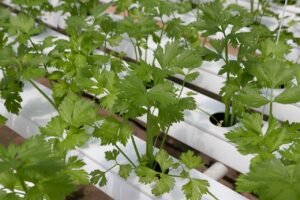
Rise Gardens are modular, soil‑free growing systems that combine LED lighting, hydroponic nutrient delivery, and a closed‑loop water circulation design. Marketed as a turnkey solution for urban agriculture, they promise year‑round harvests of herbs, leafy greens, and micro‑greens with minimal effort. The core appeal lies in their aesthetic integration into office desks, apartment balconies, and classroom corners, presenting a visually appealing alternative to traditional potted plants.
Despite the glossy marketing, the technology rests on a few critical assumptions: that LED lighting can replace sunlight without penalty, that nutrient solutions are universally optimal, and that users will consistently maintain the system. In practice, each of these assumptions fails under real‑world conditions, leading to sub‑optimal yields, higher operational costs, and a false sense of sustainability.
| Factor | Rise Garden Claim | Real‑World Outcome | Implication |
|---|---|---|---|
| Water Use | “Uses 90% less water than soil gardening” | Recirculation reduces waste but still requires 2‑3 L per week per unit | Savings are modest; leaks or pump failures can negate benefits |
| Energy Consumption | “LEDs consume negligible power” | Continuous 24‑hour lighting draws 30‑45 W per unit, ~350 kWh/year | Carbon footprint depends on local electricity mix; not always greener than field crops |
| Yield | “Up to 5 × faster growth” | Leafy greens mature in 21‑28 days versus 45‑60 days outdoors | Speed advantage exists but only for limited crop types |
| Cost | “Affordable for any budget” | Initial purchase $250‑$500; ongoing nutrients $15‑$25/month | Long‑term ROI often exceeds 3‑year horizon |
Rise Gardens Methods Worth Knowing
1. Optimized LED Spectrum Tuning
Most users accept the factory‑set light spectrum as optimal. The reality is that different crops demand specific wavelengths for photosynthetic efficiency.
Advanced growers replace the default LED modules with programmable spectra, targeting red (660 nm) for flowering and blue (450 nm) for vegetative growth. This tweak can boost fresh weight by 12‑18% and reduce energy draw by up to 10% when unnecessary wavelengths are eliminated.
- What You Gain:
- Higher nutrient density per harvest, translating to better taste and health benefits.
- Reduced electricity bills, especially in regions with high rates.
- Extended LED lifespan because modules run at lower intensity.
2. Closed‑Loop Nutrient Recycling
Standard kits rely on a single‑use nutrient reservoir, assuming users will discard and replace it weekly. This practice inflates waste and cost.
Implementing a closed‑loop system with a bio‑filter and UV sterilizer allows the same solution to be reused for 4‑6 weeks. Periodic EC (electrical conductivity) adjustments keep nutrient balance stable, preventing the common “nutrient lockout” that stunts growth.
- What You Gain:
- Up to 40% reduction in consumable expenses.
- Minimized environmental impact from plastic bottle waste.
- Consistent plant vigor due to stable nutrient profiles.
3. Integrated Climate Monitoring
Most installations ignore ambient temperature and humidity, assuming the unit’s internal sensors suffice.
Adding a low‑cost IoT sensor suite that logs temperature, humidity, and CO₂ enables data‑driven adjustments. When indoor humidity exceeds 70%, for example, a simple dehumidifier can prevent fungal outbreaks that otherwise devastate crops.
- What You Gain:
- Early detection of disease conditions, saving entire harvests.
- Optimized water use based on real‑time evaporation rates.
- Data logs for continuous improvement and benchmarking.
4. Crop Rotation Within the Same Module
Many users plant the same lettuce variety continuously, assuming uniformity equals simplicity.
Rotating fast‑growing greens with slower, root‑heavy crops like radishes disrupts pest cycles and improves root zone health. The practice also diversifies the harvest, making the system more appealing for culinary variety.
- What You Gain:
- Reduced pathogen buildup, lowering the need for chemical interventions.
- Enhanced soil‑free medium longevity, delaying complete media replacement.
- Broader nutritional profile from varied harvests.
5. Community‑Driven Maintenance Schedules
Manufacturers ship a generic maintenance calendar that assumes a one‑size‑fits‑all timeline.
Forming a user community around a shared workspace allows members to stagger tasks—nutrient swaps, LED cleaning, pump checks—so that no single person bears the full burden. Collective knowledge also surfaces shortcuts, such as using diluted vinegar for mineral buildup removal.
- What You Gain:
- Higher system uptime due to shared responsibility.
- Reduced labor cost per individual, especially in office settings.
- Accelerated problem‑solving through peer‑to‑peer experience.
Practical Takeaways
✔ Precise Light Management
Invest in programmable LEDs or add supplemental spectrum filters to match crop needs. This yields faster growth and lower energy consumption.
✔ Reuse Nutrient Solution
Install a simple bio‑filter to extend reservoir life, cutting waste and monthly expenses.
✔ Monitor Environment Continuously
Deploy IoT sensors for temperature, humidity, and CO₂; adjust ventilation or dehumidification proactively.
✔ Rotate Crops Strategically
Mix leafy greens with root vegetables to break pest cycles and enrich the harvest.
✔ Share Maintenance Duties
Organize a schedule among users to keep the system clean, calibrated, and functional without overburdening anyone.
✔ Calculate True ROI
Factor in electricity, nutrient, and labor costs over three years; expect a break‑even point only after 24‑30 months under typical usage.
Emerging Directions
- AI‑Driven Growth Algorithms
- Solar‑Integrated Power Packs
- Biodegradable Media Pods
- Vertical Stacking Enhancements
- Community Marketplace Platforms
Machine‑learning models will predict optimal nutrient mixes and light cycles per cultivar, reducing trial‑and‑error.
Compact photovoltaic panels designed for indoor use will offset LED draw, making units net‑zero in sunny regions.
New plant‑free substrates made from agricultural waste will replace plastic trays, addressing plastic concerns.
Modular stacking systems will double growing height without increasing footprint, boosting per‑square‑foot yield.
Peer‑to‑peer exchanges of surplus produce and spare parts will emerge, fostering a circular economy around Rise Gardens.
One Last Thing
Rise Gardens are not a panacea; they are a sophisticated tool that demands intentional management. When users challenge the hype and apply data‑backed techniques, the systems deliver measurable benefits. Ignoring the hidden costs and maintenance realities, however, turns a promising innovation into a costly decorative fad.