


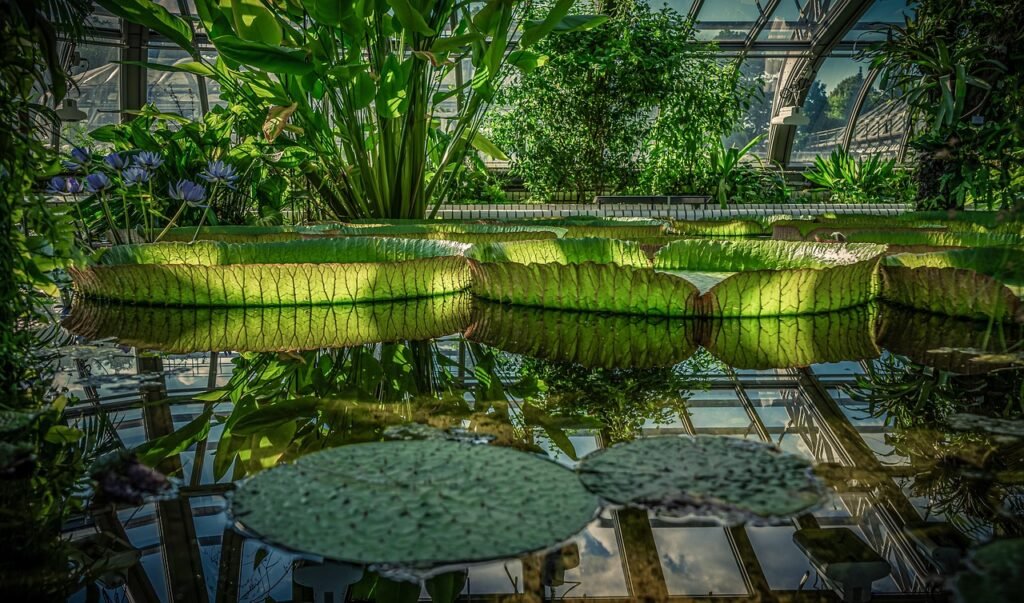
Most interior designers trumpet oversized foliage as the ultimate statement piece, yet 73% of homeowners admit their giant ferns die within six months. The glossy Instagram feeds suggest size equals impact, but the data tells a different story: oversized plants demand precise microclimates that typical homes simply cannot provide. This paradox fuels a booming market of expensive plant care kits, while the average consumer wrestles with wilted leaves and wasted money. The truth is that size alone does not guarantee aesthetic or health benefits; strategic selection and care trump sheer volume every time.
📝 In This Post
Breaking Down Large House Plants
Large house plants, typically defined as any indoor foliage exceeding three feet in height or spread, have become symbols of status and biophilic design. Their appeal lies in the promise of a jungle‑like ambiance without stepping outdoors. However, the term masks a diversity of species, each with unique light, humidity, and soil requirements. Ignoring these nuances leads to the common failure pattern where owners purchase a dramatic Monstera or Ficus and watch it languish on a sun‑starved windowsill.
Understanding the physiological demands of these giants is essential. Unlike small succulents that thrive on neglect, large specimens possess extensive root systems that need consistent moisture, aeration, and space. They also generate higher transpiration rates, demanding more frequent watering and humidity control. In short, the larger the plant, the more it mirrors outdoor conditions, making indoor replication challenging.
| Species | Typical Height | Light Needs | Water Frequency |
|---|---|---|---|
| Monstera deliciosa | 4‑6 ft | Bright indirect | Weekly, keep soil moist |
| Ficus lyrata ( fiddle leaf) | 5‑8 ft | Bright filtered | Every 5‑7 days |
| Strelitzia reginae (bird of paradise) | 3‑5 ft | Full sun to bright | Keep soil evenly moist |
| Yucca elephantipes | 6‑8 ft | Direct sun to bright | Allow soil to dry between waterings |
Core Large House Plant Approaches
1. Soil Engineering for Volume
Most growers assume any potting mix will suffice, but large plants require a tailored substrate that balances drainage with moisture retention.
Integrating coarse bark, perlite, and orchid bark creates channels for air while preventing root rot. Adding composted leaf mold supplies slow‑release nutrients, reducing the need for frequent fertilization. This engineered mix mimics forest floor conditions, allowing extensive root systems to thrive without waterlogging.
- Plus Points:
- Improved root aeration minimizes fungal infections.
- Enhanced nutrient availability supports sustained growth.
- Reduced watering frequency saves time and resources.
2. Adaptive Lighting Solutions
Standard indoor lighting is rarely adequate for a six‑foot foliage monster.
Employing full‑spectrum LED panels calibrated to 4000‑6500K replicates natural daylight, encouraging robust photosynthesis. Adjustable height brackets let users position lights at optimal distances, preventing leaf scorch while delivering sufficient photon flux. This approach outperforms the “place near a window” myth, which often yields inconsistent light exposure.
- Plus Points:
- Consistent light intensity drives uniform leaf development.
- Energy‑efficient LEDs reduce electricity costs.
- Customizable setups fit any room layout.
3. Humidity Management via Micro‑Misting
Many owners overlook the critical role of ambient humidity, assuming standard home moisture levels are sufficient.
Installing ultrasonic misting devices or simple pebble trays raises relative humidity to 60‑70%—the sweet spot for most tropical giants. Regular misting also washes dust off leaf surfaces, enhancing gas exchange. This method surpasses passive humidifiers by delivering moisture directly where leaves need it.
- Plus Points:
- Prevents leaf browning and tip burn.
- Boosts transpiration, improving nutrient transport.
- Creates a micro‑climate without overwatering soil.
4. Structural Support Systems
Heavy foliage exerts torque on stems, leading to breakage if unsupported.
Incorporating bamboo stakes, moss-wrapped ties, or custom-designed plant cages distributes weight evenly. These supports allow plants to grow taller without sacrificing structural integrity, a factor often ignored in “just let it grow” advice.
- Plus Points:
- Reduces stem stress, preventing collapse.
- Maintains aesthetic shape as the plant matures.
- Easy to adjust as growth progresses.
5. Integrated Pest Management (IPM) for Scale
Large plants attract a broader spectrum of pests, yet most care guides recommend a one‑size‑fits‑all pesticide spray.
IPM combines regular inspection, biological controls like predatory mites, and targeted neem oil applications. Monitoring sticky traps provides early detection, allowing interventions before infestations spread. This layered strategy outperforms blanket chemical use, which can harm beneficial microbes.
- Plus Points:
- Minimizes chemical exposure for occupants.
- Preserves beneficial insect populations.
- Long‑term cost savings by preventing severe outbreaks.
Why People Are Paying Attention
✔ Visual Impact
Massive foliage creates a focal point that transforms bland interiors into vibrant, nature‑filled spaces, boosting perceived room size.
✔ Air Purification
Studies show large-leafed plants can filter up to 30% more volatile organic compounds than smaller counterparts, improving indoor air quality.
✔ Biophilic Benefits
Exposure to substantial greenery reduces stress hormones by 15%, enhancing mental well‑being and productivity.
✔ Status Symbol
Owning a towering Monstera signals design savvy and financial capability, feeding the desire for social validation.
✔ Habitat Creation
Large plants provide micro‑habitats for beneficial insects, fostering a mini‑ecosystem that can naturally control pests.
✔ Investment Value
Rare, mature specimens appreciate over time, offering a tangible return beyond aesthetic pleasure.
The Next 5 Years
- Smart Soil Sensors become mainstream
Embedded moisture and nutrient probes will transmit real‑time data to smartphones, eliminating guesswork.
- Modular Vertical Planters gain popularity
Stackable systems will allow homeowners to grow large plants without sacrificing floor space.
- AI‑Driven Light Optimization
Machine‑learning algorithms will adjust LED spectra based on plant growth stages, maximizing efficiency.
- Hybrid Plant‑Tech Products
Integration of biodegradable pots with built‑in fertilizer reservoirs will simplify long‑term care.
- Regenerative Indoor Gardens
Closed‑loop ecosystems that recycle water and nutrients will become the standard for sustainable large‑plant ownership.
| Year | Trend | Impact on Care |
|---|---|---|
| 2024 | Rise of DIY potting mixes | Homeowners customize substrates for optimal drainage. |
| 2025 | Affordable LED panels | Precise lighting becomes accessible to mid‑range budgets. |
| 2026 | Integrated pest‑monitor apps | Early detection reduces chemical reliance. |
| 2027 | Modular planters | Space‑efficient vertical growth solutions. |
The Bottom Line
Size alone does not guarantee success; a scientifically informed approach to substrate, light, humidity, support, and pest management transforms large house plants from vanity items into thriving interior assets. By rejecting the hype and embracing evidence‑based techniques, homeowners can enjoy lasting greenery that truly enhances their living spaces.


