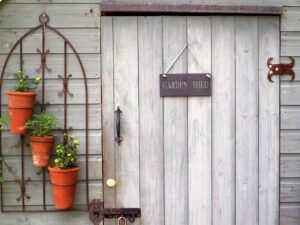
Most people think a garden planter is just a container for soil and plants, but that view overlooks the profound impact the right planter can have on plant health, garden aesthetics, and even local ecosystems. In reality, a well‑chosen planter acts like a micro‑climate manager, a decorative statement, and a sustainability tool all at once. This article dismantles the myth that planters are merely functional, revealing how they can become the cornerstone of a thriving garden design. By the end, readers will see that selecting the proper planter is as strategic as choosing the right seed, and that modern innovations make this choice more exciting than ever before.
📝 Quick Navigation
Defining garden planters
A garden planter (a vessel designed to hold soil, water, and plants) is more than a simple pot; it is an engineered environment that influences moisture retention, root aeration, and temperature regulation. Traditional planters were often made from clay or terracotta, but today the market offers materials ranging from recycled plastics to smart‑sensor‑enabled composites. Understanding these options is crucial because the material determines how water drains, how heat is absorbed, and how long the planter lasts under outdoor conditions.
In the broader context of horticulture, planters serve three primary roles: (1) growth facilitation—providing the right balance of air, water, and nutrients; (2) design integration—blending plants with landscape architecture; and (3) environmental stewardship—reducing waste and supporting biodiversity. Comparing these roles across common materials helps gardeners make informed decisions.
| Material | Water Retention | Durability | Eco Impact |
|---|---|---|---|
| Terracotta (unglazed clay) | High (absorbs moisture) | Medium (prone to cracking) | Low (natural, but energy‑intensive firing) |
| Concrete | Low (dense, slow release) | High (lasts decades) | Medium (high carbon footprint) |
| Recycled Plastic | Medium (lightweight, can be molded) | High (UV‑stabilized) | High (upcycles waste) |
| Smart Composite (sensor‑integrated) | Adjustable (sensor‑controlled irrigation) | High (engineered for longevity) | Medium (manufacturing complexity) |
Top garden planter innovations to know
1. Self‑watering reservoirs
Self‑watering reservoirs incorporate a built‑in water chamber that delivers moisture to roots via capillary action, reducing the need for frequent watering.
These systems typically feature a water level indicator and a wicking material that draws water upward as the soil dries. By maintaining a consistent moisture level, plants experience less stress, leading to stronger growth and fewer wilted leaves.
- Why It Works:
- Consistent hydration prevents root shock during hot spells.
- Reduces water waste by delivering only what plants need.
- Convenient for busy gardeners or those with limited mobility.
2. Modular stacking units
Modular stacking units allow planters to be vertically combined, creating a multi‑tiered garden that maximizes limited floor space.
Each module interlocks with the next, forming a stable tower that can hold a variety of plant sizes. The design encourages air circulation and sunlight penetration, essential for healthy foliage.
- Why It Works:
- Optimizes space in small patios or balconies.
- Facilitates diverse planting—herbs on top, vegetables below.
- Easy to reconfigure as garden needs evolve.
3. Biodegradable fiber pots
Biodegradable fiber pots are made from compressed natural fibers such as hemp, coconut coir, or wheat straw, which decompose harmlessly after use.
These pots provide excellent aeration because the fibers break down, allowing roots to expand into the surrounding soil. Gardeners can transplant the entire pot, reducing transplant shock.
- Why It Works:
- Eco‑friendly—reduces plastic waste.
- Improves root establishment by eliminating hard pot walls.
- Eliminates the need to remove the container before planting.
4. Integrated solar-powered LED lighting
Integrated solar‑powered LED lighting planters embed photovoltaic cells and low‑energy LEDs to illuminate plants at night.
The solar panel charges during daylight, storing energy in a small battery that powers the lights after sunset. Nighttime illumination can extend photosynthetic periods for certain species and adds visual appeal.
- Why It Works:
- Extends growing hours for light‑dependent plants.
- Creates an attractive garden ambiance without external wiring.
- Uses renewable energy, lowering electricity consumption.
5. Sensor‑enabled smart planters
Sensor‑enabled smart planters incorporate moisture, temperature, and nutrient sensors that communicate data to a mobile app.
When the soil dries beyond a set threshold, the system can trigger an automatic water release or send an alert to the gardener. Some models also adjust fertilizer release based on nutrient readings.
- Why It Works:
- Provides real‑time feedback for precise plant care.
- Prevents over‑watering and under‑feeding.
- Ideal for novice gardeners learning optimal conditions.
The Impact on Consumers
✔ Consistent Plant Health
Innovative planters maintain optimal moisture and temperature, leading to stronger, disease‑resistant plants that produce higher yields.
✔ Time Savings
Self‑watering and smart features reduce the daily chores of watering, fertilizing, and monitoring, freeing up valuable time.
✔ Space Efficiency
Modular and vertical designs turn small balconies into productive gardens, making urban farming feasible.
✔ Environmental Benefits
Biodegradable and recycled materials lower landfill contributions and reduce reliance on virgin plastics.
✔ Aesthetic Enhancement
Integrated lighting and sleek designs elevate the visual appeal of outdoor spaces, turning functional areas into attractive retreats.
✔ Cost Effectiveness
Long‑lasting materials and water‑saving technologies lower long‑term expenses compared to frequent replacements and high water bills.
What Researchers Are Working On
- Dynamic pH‑balancing planters
- Microbial inoculation systems
- Thermal regulation composites
- AI‑driven growth prediction algorithms
- Closed‑loop water recycling planters
Scientists are developing planters that can automatically adjust soil pH using embedded mineral cartridges, ensuring optimal nutrient availability for a wider range of plants.
Research focuses on integrating beneficial microbes directly into planter media, promoting healthier root systems and natural pest resistance.
Engineers are testing materials that absorb excess heat during the day and release it at night, creating a more stable root temperature environment.
Machine‑learning models are being trained on sensor data to forecast plant growth stages and recommend precise care actions.
Innovators are designing systems that capture runoff, filter it, and return it to the reservoir, achieving near‑zero water waste.
| Innovation | Current Development Stage | Potential Benefits |
|---|---|---|
| Dynamic pH‑balancing | Prototype testing | Improved nutrient uptake, broader plant compatibility |
| Microbial inoculation | Field trials | Enhanced disease resistance, reduced chemical fertilizers |
| Thermal composites | Material labs | Stabilized root temperatures, extended growing seasons |
| AI growth prediction | Beta software | Precision farming, reduced trial‑and‑error |
To Sum Up
Garden planters have evolved from simple containers into sophisticated ecosystems that nurture plant health, conserve resources, and beautify outdoor spaces. By embracing the latest innovations, gardeners can achieve higher yields, save time, and contribute to a more sustainable environment. The future promises even smarter, more adaptive planters that will make successful gardening accessible to everyone.