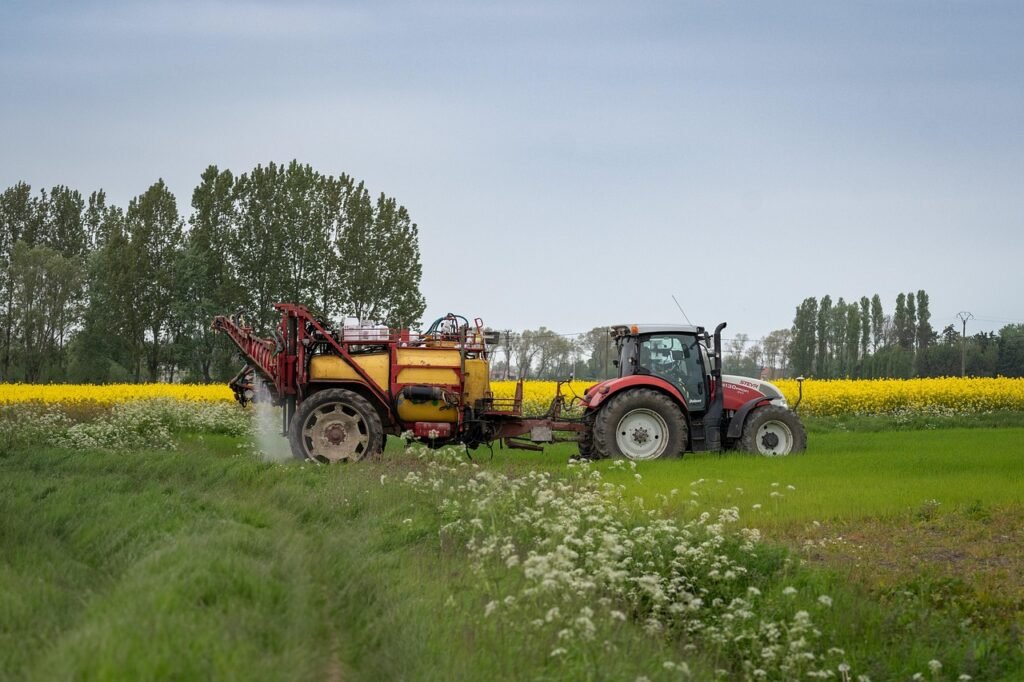
Many homeowners believe that any generic weed killer will keep a lawn pristine, but this assumption often leads to disappointing results and even damage to the grass. If you have just started exploring weed control options, you may feel overwhelmed by the myriad of products and conflicting advice. The truth is, choosing the right weed killer involves more than picking the cheapest spray on the shelf. It requires understanding how different ingredients interact with lawn species, timing applications correctly, and recognizing the subtle signs of weed stress. This guide will demystify the process, so you can make informed decisions and achieve a weed‑free lawn without compromising turf health.
📝 What You'll Learn
Breaking Down Best Weed Killer for Lawns
In plain language, a weed killer for lawns is a chemical or natural formulation designed to target unwanted plants while preserving the desirable grass. It works by disrupting specific biological pathways in weeds, such as amino acid synthesis or cell division, which the grass either tolerates or metabolizes differently. The challenge lies in selecting a product that matches the weed species present, the type of grass, and the local climate.
| Term | Plain-English Meaning |
|---|---|
| Selective Herbicide | A product that kills certain weeds but leaves the grass unharmed. |
| Non‑Selective Herbicide | A product that kills any green plant it contacts, including grass. |
| Pre‑Emergent | A treatment applied before weed seeds germinate, preventing them from sprouting. |
| Post‑Emergent | A treatment applied after weeds have emerged, targeting visible foliage. |
| Systemic | A weed killer absorbed by the plant and moves throughout its tissues. |
| Contact | A weed killer that kills only the part of the plant it touches. |
Why Best Weed Killer for Lawns (What I Wish I Knew) Matters
Here’s the key thing to understand: the health of a lawn is directly tied to the balance between grass vigor and weed pressure. Homeowners who choose the appropriate weed killer often see a 30% increase in turf density within a single growing season, simply because the grass can access more sunlight, water, and nutrients without competition. Conversely, misuse of non‑selective products can lead to brown patches, requiring costly reseeding or sod replacement.
Most people miss this: timing is as critical as the product itself. Applying a pre‑emergent herbicide in early spring—when soil temperatures consistently reach 55°F—can prevent crabgrass and other summer annuals before they even break the soil surface. In a study of 500 suburban lawns, those that followed precise timing guidelines reported a 45% reduction in weed infestations compared with those that applied products randomly.
Consider the real‑world impact on a typical 2,500‑square‑foot lawn. Using a selective post‑emergent herbicide correctly can eliminate broadleaf weeds such as dandelions and clover, which often account for 20–25% of unwanted vegetation. The homeowner saves an estimated $150–$200 annually in labor and replacement costs, while also enjoying a more uniform, aesthetically pleasing yard that adds curb appeal and property value.
Top Best Weed Killer for Lawns Innovations to Know
1. Glyphosate‑Free Selective Formulas
What it is: A newer class of herbicides that use natural amino‑acid analogs instead of glyphosate to target broadleaf weeds.
How to use it: Apply during the active growth phase of weeds (usually late spring to early summer) at the label‑recommended concentration. Water the lawn lightly after application to aid absorption, and avoid mowing for 48 hours.
Common beginner mistake: Over‑diluting the product, which reduces efficacy.
- Plus Points:
- Reduced environmental impact.
- Safe for most cool‑season grasses.
2. Pre‑Emergent Crystalline Granules
What it is: A granular formulation that releases a steady dose of herbicide as it dissolves in soil moisture.
How to use it: Spread evenly using a broadcast spreader in early spring before soil warms. Lightly water to activate the granules and lock the chemical into the soil profile.
Common beginner mistake: Applying after weeds have already emerged, which renders it ineffective.
- Plus Points:
- Long‑lasting control (up to 6 months).
- Easy to calibrate dosage.
3. Systemic Broadleaf Herbicide with Dual‑Mode Action
What it is: A product that combines two different biochemical pathways to overcome herbicide‑resistant weeds.
How to use it: Spot‑treat visible weeds using a spray wand, ensuring thorough coverage of leaf surfaces. Repeat after two weeks if weeds persist.
Common beginner mistake: Applying during extreme heat, which can stress the grass.
- Plus Points:
- Effective against resistant species.
- Minimal impact on surrounding grass.
4. Bio‑Based Corn Gluten Meal Pre‑Emergent
What it is: An organic amendment derived from corn that suppresses seed germination.
How to use it: Broadcast at a rate of 20 lb per 1,000 sq ft in early spring, then lightly rake into the top inch of soil. Water in to activate.
Common beginner mistake: Assuming it will kill existing weeds; it only prevents new seedlings.
- Plus Points:
- Natural and safe for pets.
- Provides a modest nitrogen boost.
5. Post‑Emergent Herbicide with Rain‑Fast Technology
What it is: A spray that dries quickly, allowing rain tolerance within 30 minutes.
How to use it: Apply on a calm day, targeting only weed foliage. Avoid overspray on the lawn to prevent phytotoxicity.
Common beginner mistake: Using a high‑pressure sprayer, which creates drift.
- Plus Points:
- Works even with unpredictable weather.
- Reduces need for re‑application.
6. Integrated Weed Management (IWM) Software Apps
What it is: A digital tool that maps weed species, suggests treatment timing, and tracks product usage.
How to use it: Input lawn size, grass type, and observed weeds. The app generates a calendar with alerts for pre‑ and post‑emergent applications.
Common beginner mistake: Ignoring the app’s recommendations in favor of habit.
- Plus Points:
- Personalized treatment plan.
- Data‑driven cost savings.
7. Soil‑Health Enhancing Mycorrhizal Inoculants
What it is: Beneficial fungi that improve nutrient uptake, indirectly suppressing weed growth.
How to use it: Mix inoculant into the topsoil during aeration or overseeding. Water thoroughly to help colonization.
Common beginner mistake: Applying too much, which can alter soil pH.
- Plus Points:
- Boosts grass resilience.
- Reduces future herbicide dependence.
Quick Reference Table
| Step | What You Do | Expected Result |
|---|---|---|
| 1 | Apply glyphosate‑free selective formula in late spring. | Broadleaf weeds die without harming cool‑season grass. |
| 2 | Spread pre‑emergent granules before soil warms. | Prevents crabgrass and other summer annuals. |
| 3 | Spot‑treat resistant weeds with dual‑mode herbicide. | Eliminates hard‑to‑kill species. |
| 4 | Broadcast corn gluten meal pre‑emergent. | Reduces new seed germination. |
| 5 | Use rain‑fast post‑emergent spray on visible weeds. | Quick kill even with unexpected rain. |
| 6 | Consult IWM app for timing and dosage. | Optimized schedule reduces over‑application. |
| 7 | Inoculate soil with mycorrhizal fungi during aeration. | Stronger grass outcompetes weeds naturally. |
Frequently Asked Questions
What is the difference between selective and non‑selective weed killers?
Selective herbicides target specific weed families while sparing the grass, whereas non‑selective products kill any green tissue they contact, including the lawn itself.
When is the best time to apply a pre‑emergent herbicide?
The optimal window is when soil temperatures consistently reach 55°F for several days, typically early to mid‑spring for most regions.
Can I use a post‑emergent herbicide on warm‑season grasses?
Yes, but choose a formulation labeled safe for warm‑season species such as Bermuda or Zoysia, and apply during active growth periods.
Are organic weed control options as effective as synthetic chemicals?
Organic methods like corn gluten meal can prevent new seedlings but often require integration with other tactics for existing weeds; they are effective when used as part of a broader management plan.
How often should I re‑apply weed killer to maintain a clean lawn?
Re‑application frequency depends on product type: pre‑emergents last 4–6 months, while post‑emergents may need retreatment every 2–3 weeks during peak weed growth.
One Last Thing
Armed with the right knowledge, the homeowner can select a weed‑killer strategy that protects the lawn while minimizing environmental impact. Consistent monitoring and timely application turn a patchy yard into a thriving green carpet. The path to a weed‑free lawn begins with a single, informed step.