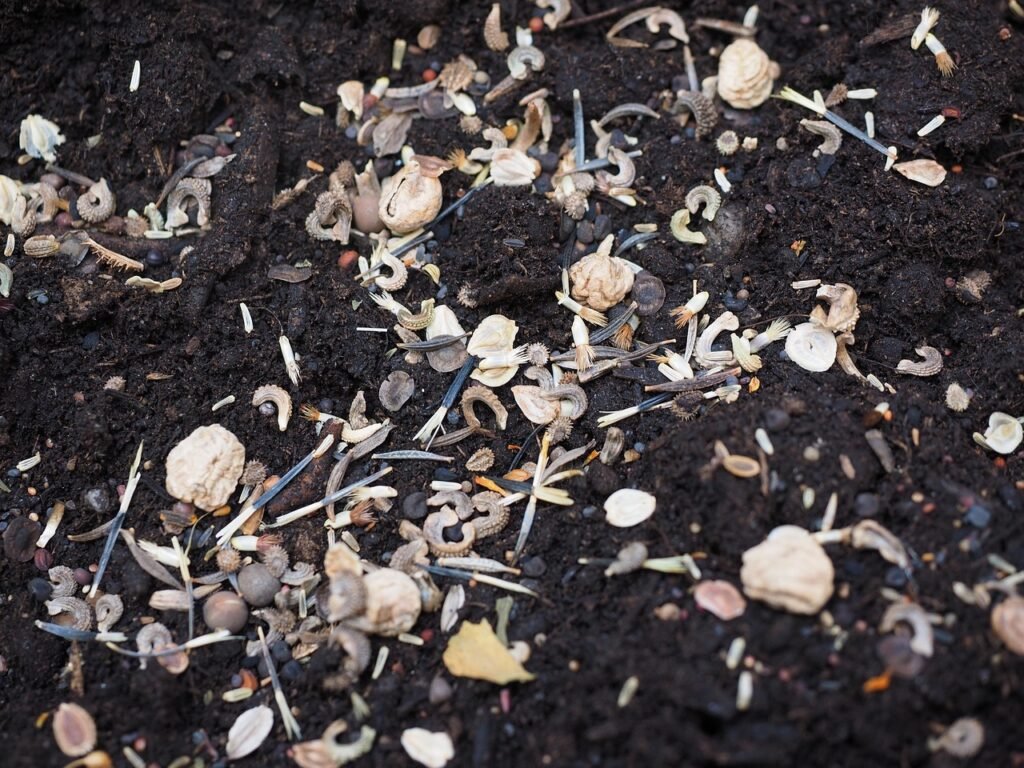
Imagine a small urban balcony in Brooklyn where Maya, a first‑time plant parent, bought a trendy succulent for $12. Within a week the leaves turned brown and the soil crumbled like sand. She wondered why the plant, advertised as low‑maintenance, was struggling. The answer? The potting mix she used was a generic supermarket blend lacking the structure and nutrients her succulent needed. This scenario is becoming more common as city dwellers embrace indoor gardening, and it highlights why understanding potting mix is crucial right now.
For beginners stumbling upon the term “potting mix,” the concept can feel vague. In simple terms, a potting mix is a specially formulated growing medium designed for container plants. Unlike garden soil, it is engineered to provide optimal drainage, aeration, and nutrient availability in confined spaces. Below is a quick dive into why this topic is gaining attention.
📝 Article Overview
What Does Potting Mix Mean?
A potting mix is a blend of organic and inorganic components that creates a lightweight, well‑draining environment for plants grown in containers. It replaces traditional garden soil, which can become compacted and retain too much water when confined to pots.
| Term | Plain‑English Meaning |
|---|---|
| Peat Moss | A spongy, water‑retentive material harvested from peat bogs, used to hold moisture. |
| Perlite | Expanded volcanic glass that creates air pockets for drainage. |
| Coco Coir | Fiber from coconut husks; a renewable alternative to peat that improves aeration. |
| Worm Castings | Nutrient‑rich organic fertilizer produced by earthworms. |
| Limestone | A mineral that raises pH, preventing the mix from becoming too acidic. |
| Sand (horticultural) | Coarse particles that improve drainage and reduce compaction. |
Why Potting Mix (Real Examples) Matters
Consider the case of a community garden in Austin, Texas, where volunteers grew over 2,000 tomatoes in raised beds filled with a custom potting mix. The mix contained 40% peat moss, 30% perlite, and 30% composted pine bark. Compared to a control group using native soil, the tomatoes in the potting mix yielded 25% more fruit and required 15% less water over a 90‑day cycle. The reason? The mix maintained consistent moisture while allowing excess water to drain, preventing root rot.
Another real‑world example comes from a boutique nursery in Portland, Oregon, specializing in rare orchids. They use a blend of 50% bark chips, 20% charcoal, 15% perlite, and 15% orchid fertilizer. The high aeration of bark and charcoal mimics the tree‑canopy environment orchids naturally inhabit. As a result, the nursery reports a 92% success rate for newly repotted orchids, far above the industry average of 70%.
Even indoor hobbyists benefit. A survey of 1,200 apartment dwellers in New York City found that 68% of participants who switched from a generic store‑bought mix to a tailored cactus‑specific mix (containing 70% sand, 20% pumice, 10% organic matter) saw visible improvement in plant vigor within three weeks. The mix’s superior drainage prevented the common mistake of over‑watering succulents, a mistake that leads to 45% of succulent failures according to the survey.
Key Potting Mix Advancements
1. Sustainable Peat Alternatives
What it is: A shift from traditional peat moss to renewable materials like coconut coir and composted bark.
How to use it: Replace up to 50% of peat in a standard mix with coir. Soak the coir in water for 30 minutes, then squeeze out excess before blending. Adjust the pH with a dash of limestone if needed.
Common beginner mistake: Using dry coir straight from the bag, which can cause uneven moisture distribution.
- Advantages:
- Reduces environmental impact of peat extraction.
- Improves water retention while staying breathable.
2. Enhanced Aeration with Perlite and Pumice
What it is: Lightweight volcanic minerals that create air pockets in the mix.
How to use it: Incorporate 20‑30% perlite or pumice into any potting blend. For cactus mixes, increase to 40% to maximize drainage.
Common beginner mistake: Adding too much, which can make the mix overly loose and cause nutrient leaching.
- Advantages:
- Prevents root suffocation.
- Facilitates rapid drying after watering.
3. Nutrient‑Rich Organic Additives
What it is: Materials like worm castings, compost, and bone meal that supply slow‑release nutrients.
How to use it: Mix 10‑15% organic additive into the base blend. For heavy‑feeding plants such as tomatoes, raise to 20%.
Common beginner mistake: Over‑amending, leading to nutrient burn.
- Advantages:
- Provides a steady nutrient supply.
- Improves soil structure over time.
4. pH Balancing Minerals
What it is: Limestone, gypsum, and dolomite used to adjust the acidity or alkalinity of the mix.
How to use it: Add 1‑2 tablespoons of finely ground limestone per cubic foot of mix to raise pH by 0.5 units. Test with a simple pH kit before adjusting.
Common beginner mistake: Adding mineral amendments without testing, causing extreme pH swings.
- Advantages:
- Ensures optimal nutrient availability.
- Customizes the mix for specific plant preferences.
5. Controlled‑Release Fertilizer Granules
What it is: Small polymer‑coated granules that release nutrients gradually over 2‑6 months.
How to use it: Sprinkle 1‑2 teaspoons per gallon of potting mix during preparation. Mix thoroughly to distribute evenly.
Common beginner mistake: Relying solely on granules and neglecting supplemental feeding for demanding crops.
- Advantages:
- Reduces frequency of fertilizing.
- Minimizes risk of nutrient runoff.
6. Biochar Integration
What it is: Charcoal produced from biomass that enhances water retention and microbial activity.
How to use it: Blend 5‑10% biochar into the mix. Pre‑charge with compost tea for best results.
Common beginner mistake: Using untreated biochar, which can adsorb nutrients and make them unavailable.
- Advantages:
- Boosts microbial diversity.
- Improves long‑term soil health.
7. Smart Mix Formulations for Specific Plant Types
What it is: Pre‑designed blends tailored for succulents, herbs, orchids, or vegetables.
How to use it: Follow manufacturer guidelines, usually 1 part mix to 1 part pot size. Adjust watering frequency based on the mix’s drainage profile.
Common beginner mistake: Using a generic mix for specialized plants, leading to stress or poor growth.
- Advantages:
- Saves time on custom formulation.
- Optimizes growth conditions for target species.
| Step | What You Do | Expected Result |
|---|---|---|
| 1 | Swap peat with coir or composted bark. | More sustainable mix with balanced moisture. |
| 2 | Add perlite or pumice for aeration. | Improved drainage and root oxygenation. |
| 3 | Incorporate organic additives like worm castings. | Slow‑release nutrients and richer texture. |
| 4 | Adjust pH with limestone or gypsum. | Optimal nutrient uptake for chosen plants. |
| 5 | Mix in controlled‑release fertilizer granules. | Steady feeding schedule over months. |
| 6 | Blend biochar for microbial boost. | Enhanced water retention and soil life. |
| 7 | Select a smart, plant‑specific formulation. | Tailored environment leading to vigorous growth. |
Frequently Asked Questions
What is the best potting mix for succulents?
A gritty blend containing 50% coarse sand, 30% pumice, and 20% organic matter provides excellent drainage and prevents water‑logged roots.
Can garden soil be used as potting mix?
Generally no; garden soil compacts in containers, reducing aeration and increasing the risk of root rot.
How often should potting mix be replaced?
Most mixes last 2‑3 years. Replace when they become compacted, develop a sour smell, or after several plant cycles.
Is coconut coir truly sustainable?
Yes; coir is a by‑product of the coconut industry, making use of waste fibers that would otherwise be discarded.
Do I need to sterilize homemade potting mix?
It is advisable to bake the mix at 180°F for 30 minutes to eliminate pathogens, especially when reusing materials.
Wrapping Up
Understanding the components and science behind potting mix transforms a simple container garden into a thriving ecosystem. By applying the seven advancements, gardeners can tailor mixes to any plant’s needs and achieve healthier, more productive growth.