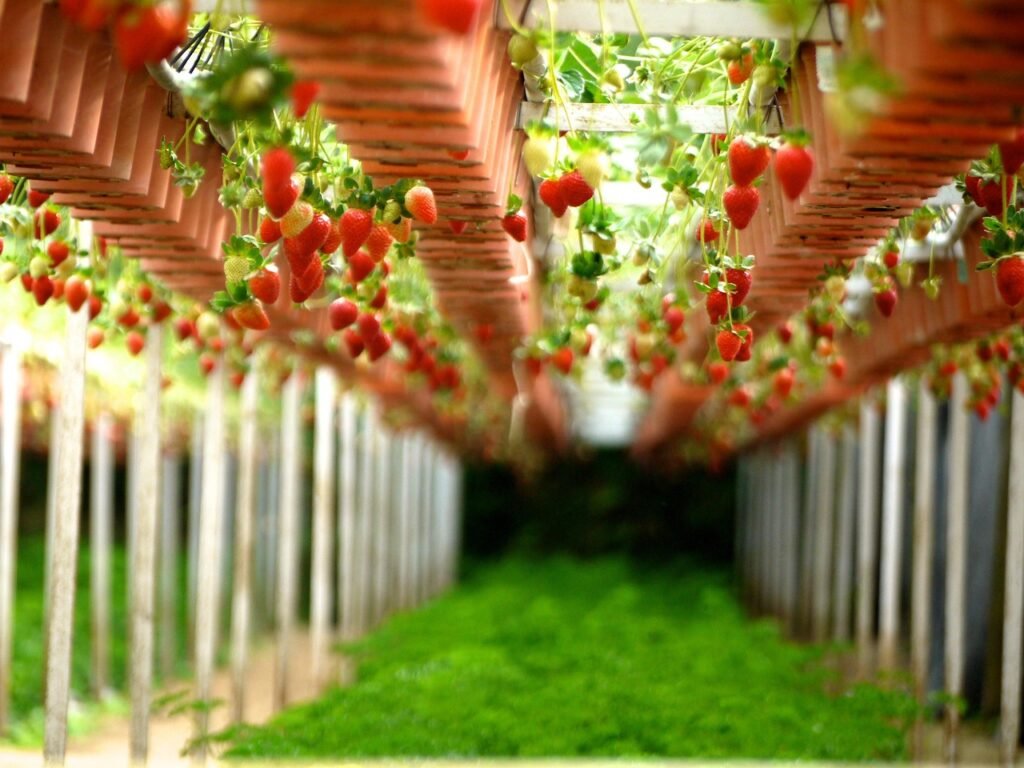
Did you know that hydroponic farms can produce up to 10 times more food per square foot than traditional soil farms, while using up to 90% less water? This surprising statistic underscores why choosing the right hydroponic approach matters more than ever for both hobbyists and commercial growers. The right system can mean the difference between a thriving, year‑round harvest and a costly, disappointing experiment. Understanding the nuances of each method empowers growers to maximize yields, conserve resources, and enjoy a sustainable growing experience.
📝 Quick Navigation
A Closer Look at Hydroponic Gardens
Before diving into specific systems, it is essential to grasp the fundamental concepts that govern hydroponic cultivation. At its core, hydroponics replaces soil with a nutrient‑rich water solution, allowing plant roots direct access to oxygen, water, and essential minerals. This method eliminates many of the variables associated with soil, such as pests, disease, and inconsistent nutrient availability, but it also introduces new considerations like solution balance, system aeration, and structural support.
Here’s the key thing to understand: success in hydroponics hinges on three interconnected pillars—environmental control, nutrient management, and system design. Environmental control covers temperature, humidity, and lighting; nutrient management ensures the correct concentration and pH of the solution; and system design determines how water and air move through the root zone. Most people miss this triad, focusing on only one pillar and neglecting the others, which leads to stunted growth or plant loss.
| Metric | Why It Matters |
|---|---|
| pH Level | Affects nutrient uptake efficiency. |
| EC (Electrical Conductivity) | Indicates nutrient concentration. |
| Water Temperature | Influences root oxygen levels. |
| Light Intensity | Drives photosynthesis and growth rate. |
Core Hydroponic Approaches
Deep Water Culture (DWC)
Deep Water Culture suspends plant roots directly in a nutrient‑rich, oxygenated water reservoir. The simplicity of DWC makes it a popular entry point for beginners, yet it can also be scaled for larger commercial operations.
- Strengths:
- Fast growth due to abundant oxygen and nutrients.
- Simple construction and low initial cost.
- Easy to monitor water parameters.
- Known Issues:
- Root rot risk if oxygenation fails.
- Limited suitability for large fruiting plants without modification.
Best for: Rapid leafy greens production in a compact space.
Nutrient Film Technique (NFT)
NFT circulates a thin film of nutrient solution over the roots, allowing them to absorb what they need while staying exposed to air. This method excels in efficiency but requires precise pump control.
- Strengths:
- Minimal water usage.
- Excellent oxygen exposure.
- Scalable for vertical farming.
- Known Issues:
- Clogging of channels can halt flow.
- Sensitive to power outages.
Best for: Small to medium‑scale operations focusing on herbs and lettuce.
Ebb and Flow (Flood and Drain)
Ebb and Flow periodically floods the grow tray with nutrient solution before draining it back to a reservoir. This cycle mimics natural wet‑dry patterns, promoting strong root development.
- Strengths:
- Versatile for a wide range of crops.
- Promotes robust root systems.
- Can accommodate larger plants.
- Known Issues:
- More moving parts increase maintenance.
- Potential for pump failure leading to drying out.
Best for: Medium‑to‑large vegetables like tomatoes and peppers.
Aeroponics
Aeroponics delivers a fine mist of nutrient solution directly to the root zone, maximizing oxygen exposure and minimizing water use. The technology is sophisticated and often used in research and high‑tech farms.
- Strengths:
- Highest oxygen levels for roots.
- Very efficient water usage.
- Fastest growth rates.
- Known Issues:
- Complex system requiring precise misting.
- High initial cost and technical expertise needed.
Best for: Advanced growers seeking maximum yield per square foot.
Wick System
The Wick System relies on capillary action to draw nutrient solution from a reservoir to the plant roots via a wick. It contains no moving parts, making it the most low‑tech option.
- Strengths:
- No electricity required.
- Very low maintenance.
- Ideal for beginners and small herbs.
- Known Issues:
- Limited nutrient delivery for fast‑growing or fruiting plants.
- Slower growth compared to active systems.
Best for: Small, low‑maintenance herb gardens.
| Option | Best For | Difficulty | Cost | Speed |
|---|---|---|---|---|
| Deep Water Culture | Leafy greens | Easy | Low | Fast |
| Nutrient Film Technique | Herbs, lettuce | Moderate | Medium | Fast |
| Ebb and Flow | Vegetables | Moderate | Medium | Medium |
| Aeroponics | High‑value crops | Hard | High | Very Fast |
| Wick System | Herbs, small plants | Very Easy | Very Low | Slow |
How to Choose the Right One
Choosing the optimal hydroponic system begins with a clear assessment of personal goals. Yield expectations drive whether a fast‑growing, high‑output system like Aeroponics is justified, or whether a modest, low‑maintenance Wick system meets the needs. Consider the amount of space available; vertical-friendly methods such as NFT or Aeroponics maximize limited square footage, while DWC thrives in a wider, shallow container.
Next, evaluate the level of technical commitment you are prepared to make. Technical skill and time availability are critical—systems with pumps and timers (NFT, Ebb and Flow) demand regular checks, whereas passive systems (Wick) require only occasional nutrient replenishment. If power reliability is a concern, selecting a system with backup options or minimal reliance on electricity reduces risk.
Budget constraints also shape the decision. Initial capital outlay varies dramatically: a basic DWC can be assembled for under $50, while a commercial‑grade Aeroponic setup may exceed several thousand dollars. Factor in ongoing costs such as nutrient solutions, electricity, and potential component replacement.
Finally, match the system to the crops you intend to grow. Plant type matters because root structures differ; fruiting plants like tomatoes benefit from the larger root volume offered by Ebb and Flow, whereas leafy greens excel in DWC or NFT where roots remain constantly moist.
By weighting these criteria—yield, space, skill, budget, and crop type—growers can create a decision matrix that points clearly to the most suitable method. Documenting preferences in a simple table helps visualize trade‑offs and prevents costly mid‑project switches.
The Impact on Consumers
Adopting the right hydroponic system can dramatically reduce grocery expenses. Home‑grown produce eliminates the markup added by retailers, allowing families to enjoy fresh vegetables at a fraction of the store price.
Consistent access to nutrient‑dense greens improves dietary quality. When crops are harvested at peak ripeness, they retain higher vitamin and mineral content, supporting better health outcomes.
Hydroponics also reduces water consumption, a critical advantage in regions facing scarcity. By recirculating water, households contribute to broader environmental stewardship while maintaining a reliable food source.
Because the system operates indoors or in controlled environments, seasonal limitations disappear. Growers can supply salads, herbs, and even fruit year‑round, ensuring culinary variety regardless of external climate.
Learning to manage a hydroponic garden builds valuable technical skills. Understanding nutrient chemistry, pH balancing, and system maintenance empowers individuals to troubleshoot and innovate, fostering a sense of self‑sufficiency.
Finally, the aesthetic appeal of a thriving hydroponic setup enhances home ambience. The sight of lush, green foliage can improve mental well‑being, offering a calming, productive focal point in any space.
To Sum Up
The optimal hydroponic approach aligns with the grower’s goals, space, skill level, and budget. By evaluating key metrics such as pH, EC, water temperature, and light intensity, informed decisions can be made. Selecting the right system unlocks faster growth, resource efficiency, and a reliable supply of fresh, nutritious produce.