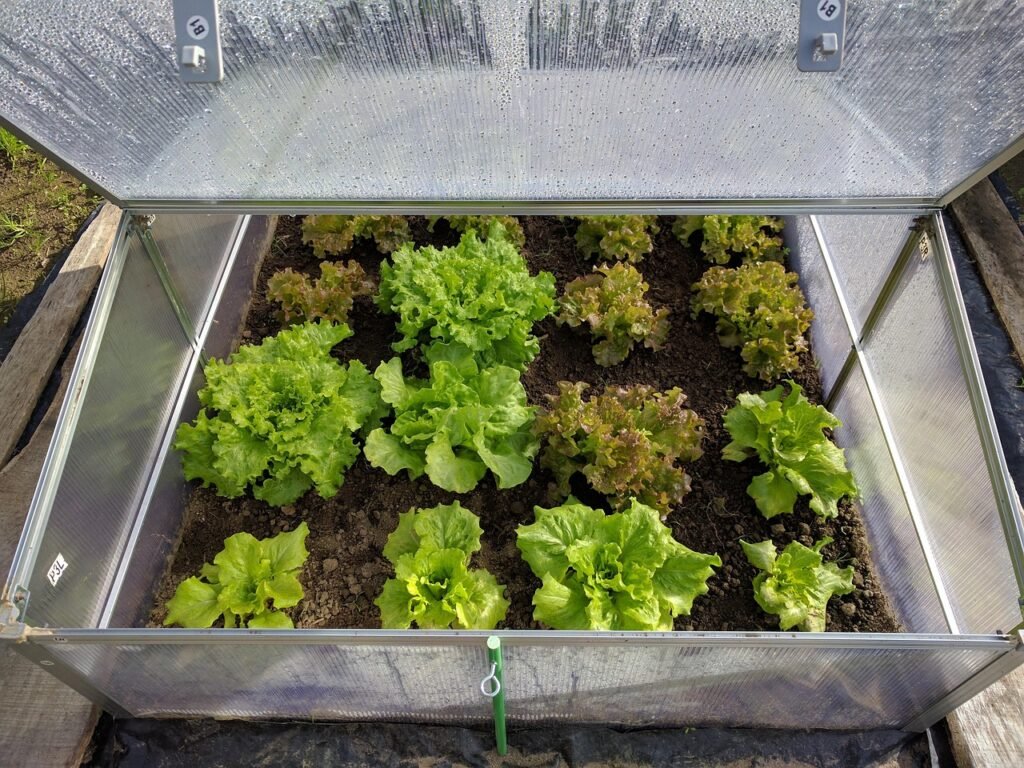
Did you know that 78% of novice gardeners abandon their mini greenhouse projects within the first three months? This high drop‑off rate isn’t due to a lack of enthusiasm—most beginners simply miss a handful of critical details that make the difference between wilted seedlings and a thriving indoor garden. Understanding how temperature, humidity, ventilation, and light interact inside a tiny glass box can turn a frustrating hobby into a rewarding source of fresh herbs, vegetables, and ornamental plants. This article unpacks every hidden nuance, from selecting the right frame material to fine‑tuning micro‑climates, so readers can avoid costly mistakes and enjoy a flourishing mini greenhouse from day one.
📝 Article Overview
A Closer Look at Mini Greenhouses
A mini greenhouse is a small, often portable, structure designed to create a controlled environment for plants—think of it as a tiny, insulated room that captures sunlight, retains heat, and moderates humidity. While full‑size greenhouses can span dozens of feet, a mini version typically ranges from a few square feet to about ten square feet, making it ideal for balconies, patios, or even indoor corners. The core idea is simple: by surrounding plants with a clear barrier, the space traps solar energy (the same principle that makes a car windshield fog up on a sunny day) and raises the temperature above the outside air, extending the growing season.
In practice, a mini greenhouse does more than just keep things warm. It also protects plants from wind, pests, and sudden temperature swings—much like a protective coat for a child on a chilly day. The key components include a frame (often made of metal, wood, or PVC), a covering material (glass, polycarbonate, or polyethylene film), and a ventilation system (manual vents, automatic fans, or simple opening doors). Each component influences how well the structure can regulate temperature, humidity, and airflow, which in turn affects plant health.
| Component | Common Materials | Pros | Cons |
|---|---|---|---|
| Frame | Aluminum, PVC, Wood | Lightweight, durable, easy to assemble | Metal can corrode, PVC may warp, wood needs treatment |
| Covering | Polycarbonate, polyethylene film, glass | High light transmission, good insulation | Glass is heavy, film can tear, polycarbonate is pricier |
| Ventilation | Manual flaps, automatic vents, small fans | Adjustable airflow, prevents overheating | Fans need power, manual vents require attention |
| Base | Raised platform, concrete slab, wooden pallet | Improves drainage, prevents soil contact with cold floor | Adds cost, may need leveling |
Key Mini Greenhouse Advancements
1. Smart Thermostat Integration
Modern mini greenhouses increasingly incorporate smart thermostats—tiny devices that monitor temperature and automatically adjust heating or cooling. Think of them as the thermostat in a home that keeps the living room comfortable, but scaled down for a plant enclosure.
These thermostats connect to Bluetooth or Wi‑Fi, allowing gardeners to set precise temperature ranges (e.g., 68‑72°F for tomatoes). When the temperature drifts outside the set range, the thermostat triggers a heater, fan, or vent. This automation reduces the need for constant manual checks and prevents sudden temperature shocks that can stunt growth.
- What You Gain:
- Consistent temperature improves germination rates.
- Reduced risk of heat stress during sunny afternoons.
- Hands‑free management frees up time for other garden tasks.
2. LED Grow Light Panels
LED (light‑emitting diode) grow lights have become compact enough to fit inside mini greenhouses, providing supplemental light when natural sunlight is insufficient. LEDs emit specific wavelengths—primarily red and blue—that plants use for photosynthesis, much like a diet of vitamins tailored for growth.
Because LEDs generate less heat than traditional incandescent bulbs, they can be placed close to seedlings without overheating. Many panels also offer dimming controls, enabling gardeners to mimic sunrise and sunset cycles, which encourages stronger, more resilient plants.
- What You Gain:
- Extended daylight hours boost yields in winter months.
- Energy‑efficient lighting cuts electricity costs.
- Customizable spectra optimize growth for different plant types.
3. Self‑Watering Reservoir Systems
Self‑watering reservoirs are built‑in water tanks that slowly release moisture through wicking material or drip emitters. The concept is similar to a sponge that gradually releases water to keep a plant’s root zone moist without overwatering.
When the reservoir empties, a float valve can automatically refill it from a larger water source, creating a near‑set‑and‑forget irrigation cycle. This is especially valuable for busy gardeners or those who travel frequently.
- What You Gain:
- Consistent soil moisture reduces stress and disease.
- Less frequent watering saves time and water.
- Prevents root rot caused by uneven watering.
4. UV‑Filtering Glazing
UV‑filtering glazing is a transparent covering that blocks a portion of harmful ultraviolet radiation while still allowing visible light to pass. UV rays can damage delicate seedlings much like excessive sunburn harms human skin.
Specialized films or polycarbonate panels reduce UV exposure by up to 99%, extending the lifespan of both the covering material and the plants inside. This technology is especially useful in regions with intense summer sun.
- What You Gain:
- Longer‑lasting greenhouse covering material.
- Reduced leaf scorch and sunburn on sensitive crops.
- More stable temperature because less heat is lost through UV breakdown.
5. Modular Shelf Systems
Modular shelves are interchangeable, stackable platforms that create multiple growing levels within a compact footprint. Picture a set of kitchen shelves that can be rearranged to fit different pots and trays.
These systems allow gardeners to maximize vertical space, placing taller plants on higher shelves while keeping low‑lying herbs within easy reach. Many shelves incorporate built‑in trays for drainage, simplifying cleanup.
- What You Gain:
- Higher plant density without crowding.
- Easy access to all plants for pruning and harvesting.
- Improved air circulation as each shelf creates a gap for airflow.
Real-World Benefits
✔ Extended Growing Season
By maintaining warmer temperatures, a mini greenhouse can start seedlings weeks earlier in spring and keep them productive well into fall, effectively adding months of harvest.
✔ Pest and Disease Protection
The enclosed environment acts as a physical barrier against insects, rodents, and airborne pathogens, reducing the need for chemical pesticides.
✔ Water Efficiency
Reduced evaporation inside the greenhouse means less frequent watering and lower overall water usage compared to open‑air planting.
✔ Space Optimization
Vertical shelving and compact dimensions let urban dwellers grow a surprising variety of crops on balconies or indoor corners where traditional gardens are impossible.
✔ Faster Plant Growth
Higher, more stable temperatures accelerate metabolic processes, leading to quicker leaf development and earlier fruiting.
✔ Year‑Round Fresh Produce
With supplemental lighting and temperature control, even winter months can yield herbs like basil, cilantro, and mint, providing fresh flavor without grocery store trips.
What Researchers Are Working On
- Adaptive Climate Controllers
Future devices will use AI to predict temperature swings based on weather forecasts and adjust heating, cooling, and ventilation in real time, further minimizing manual intervention.
- Biodegradable Cover Films
Scientists are developing transparent films made from plant‑based polymers that decompose after a few years, reducing plastic waste associated with greenhouse coverings.
- Integrated Soil‑Health Sensors
Miniature sensors embedded in the potting mix will continuously measure pH, nutrient levels, and moisture, sending alerts to smartphones for precise fertilization.
- Solar‑Powered Micro‑Fans
Ultra‑small photovoltaic panels will power ventilation fans directly, creating a self‑sustaining airflow system that works even during power outages.
- Multi‑Spectrum LED Arrays
Researchers aim to create LEDs that can switch between spectra (e.g., vegetative vs. flowering) on demand, optimizing light quality throughout a plant’s life cycle without swapping fixtures.
Additional Data Comparison
| Feature | Standard Mini Greenhouse | Advanced Model | Typical Cost (USD) |
|---|---|---|---|
| Temperature Control | Manual vents, optional heater | Smart thermostat with auto‑fan | $150‑$300 vs. $400‑$650 |
| Lighting | Natural sunlight only | Integrated LED panels | $80‑$120 vs. $250‑$400 |
| Watering | Manual watering | Self‑watering reservoir | $30‑$50 vs. $120‑$200 |
| Ventilation | Fixed vents | Automatic fans with sensors | $40‑$70 vs. $180‑$300 |
One Last Thing
Mini greenhouses condense the power of a full‑size greenhouse into a compact, manageable form, giving anyone—from apartment dwellers to suburban hobbyists—the ability to control climate, conserve water, and harvest fresh produce year round. By embracing smart thermostats, LED lighting, and self‑watering systems, gardeners can sidestep common pitfalls and enjoy consistent, healthy growth. As technology continues to evolve, the mini greenhouse will become even more autonomous, efficient, and environmentally friendly, turning every small space into a thriving garden oasis.