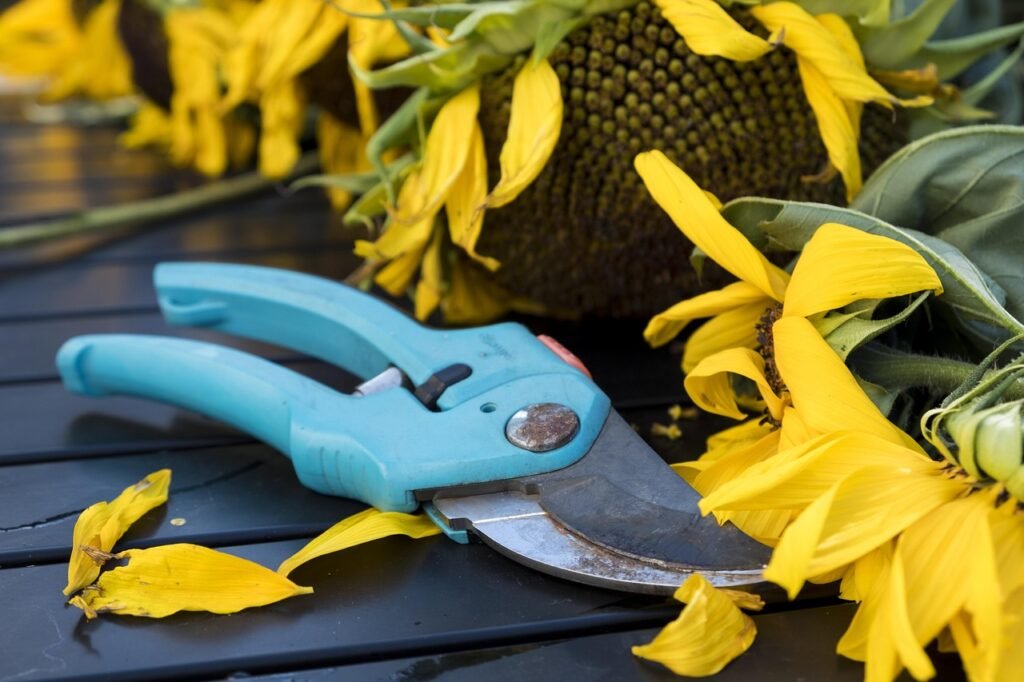
Did you know that over 40% of novice gardeners waste money on the wrong type of garden shears within their first year? This surprising statistic highlights how crucial it is to understand the tools before a single cut is made. Selecting the right shears can mean the difference between clean, healthy pruning and damaged stems that invite disease. Most people miss this: the subtle variations in blade geometry, handle ergonomics, and cutting mechanics that dictate performance. Here’s the key thing to understand: a well-chosen pair of garden shears not only makes the work easier but also protects the plant, saving time and money in the long run.
📝 Table of Contents
Understanding Garden Shears
Before diving into product comparisons, it is essential to grasp the fundamentals of garden shears. There are three primary categories: bypass pruners, anvil pruners, and secateurs, each engineered for specific cutting tasks. Bypass pruners function like scissors, with two blades passing by each other to create a clean slice—ideal for live wood. Anvil pruners feature a single blade that cuts against a flat surface, excelling at dead wood but potentially crushing living stems. Secateurs, often called hand pruners, are compact versions of bypass or anvil designs meant for delicate, close-up work on stems up to about ¾ inch in diameter.
Beyond the basic types, several technical aspects influence performance. Blade material (carbon steel versus stainless steel) affects sharpness retention and rust resistance. The lever ratio determines how much force the user must apply; a higher ratio means less hand effort. Handle design—whether straight, offset, or ergonomic—impacts comfort during extended use. Finally, the presence of safety features such as a blade lock or a spring‑assisted opening can enhance user confidence. Understanding these variables equips a gardener to match a shear to the specific tasks in their garden.
| Metric | Why It Matters |
|---|---|
| Blade Material | Determines sharpness, durability, and rust resistance. |
| Lever Ratio | Affects the amount of hand force required for a cut. |
| Cutting Capacity | Maximum stem diameter the shear can handle cleanly. |
| Handle Ergonomics | Impacts comfort and fatigue during prolonged use. |
Leading Garden Shears Solutions
Fiskars PowerGear Bypass Pruner
The Fiskars PowerGear Bypass Pruner is renowned for its patented gear mechanism that multiplies cutting force, allowing effortless snips even on thicker stems.
- Plus Points:
- Gear‑enhanced lever ratio reduces hand strain.
- Sharp, hardened carbon steel blades stay sharp longer.
- Ergonomic soft‑grip handles improve comfort.
- What Needs Work:
- Higher price point compared to basic models.
- Blade length may be bulky for very tight spaces.
Best for: gardeners who need power without sacrificing precision.
Felco Classic Anvil Pruner
The Felco Classic is a staple among professionals for its sturdy anvil design, making it a go‑to for cutting dead or woody material.
- Plus Points:
- Robust steel construction ensures longevity.
- Simple, reliable anvil cutting action.
- Adjustable tension for personalized cutting feel.
- What Needs Work:
- Can crush living stems if used improperly.
- Grip may feel less cushioned than newer ergonomic models.
Best for: pruning dead wood, grape vines, and hardy shrubs.
Corona Classic Secateur
The Corona Classic Secateur offers a compact bypass design perfect for delicate tasks like shaping roses and trimming small branches.
- Plus Points:
- Lightweight aluminum handles reduce fatigue.
- Stainless steel blades resist rust in humid climates.
- Spring‑assisted opening for quick blade reset.
- What Needs Work:
- Limited cutting capacity (max ¾ inch).
- Blade sharpness may diminish faster with heavy use.
Best for: precision work on tender stems and garden detailing.
ARS Professional Heavy‑Duty Bypass Pruner
The ARS Professional model combines a heavy‑duty steel frame with a high‑precision bypass blade, targeting serious horticulturists who demand durability.
- Plus Points:
- Full‑steel construction tolerates rigorous use.
- High‑quality Japanese steel blade offers razor‑sharp cuts.
- Adjustable blade tension for consistent performance.
- What Needs Work:
- Heavier weight may cause hand fatigue over long sessions.
- Higher cost reflects premium materials.
Best for: professional landscapers and avid gardeners tackling thick, woody stems.
Gardenite Easy‑Grip Secateur
The Gardenite Easy‑Grip brings a budget‑friendly approach with soft‑grip handles and a reliable bypass mechanism, suitable for casual gardeners.
- Plus Points:
- Affordable price without sacrificing basic functionality.
- Non‑slip rubberized handles improve safety.
- Compact size for easy storage and transport.
- What Needs Work:
- Blade material is standard steel, requiring frequent sharpening.
- Limited durability under heavy, frequent use.
Best for: beginners and occasional hobbyists seeking value.
| Option | Best For | Difficulty | Cost | Speed |
|---|---|---|---|---|
| Fiskars PowerGear Bypass | Power‑focused gardeners | Easy | $$$ | Fast |
| Felco Classic Anvil | Dead‑wood removal | Medium | $$ | Moderate |
| Corona Classic Secateur | Fine detailing | Easy | $$ | Fast |
| ARS Professional Bypass | Heavy‑duty work | Medium | $$$$ | Moderate |
| Gardenite Easy‑Grip | Budget beginners | Easy | $ | Moderate |
How to Choose the Right One
Choosing the appropriate garden shear begins with assessing plant type and the typical stem thickness encountered. For fruit trees or roses, a bypass pruner with a cutting capacity of at least 1 inch is advisable, whereas for ornamental grasses and dead branches, an anvil style may be more efficient. Next, evaluate hand size and grip comfort. Individuals with smaller hands often benefit from offset handles that reduce wrist strain, while larger hands may prefer a straight grip for maximal use.
Another critical factor is maintenance commitment. Stainless steel blades demand less frequent sharpening but can be more expensive upfront; carbon steel offers superior edge retention but requires regular honing to prevent rust. If the gardener prefers a low‑maintenance tool, stainless steel is the safer bet. Additionally, consider the frequency of use. A hobbyist pruning a few times a month will be satisfied with a modestly priced secateur, whereas a professional who prunes daily needs a heavy‑duty model built for endurance.
Budget constraints also shape the decision. While premium models like the ARS Professional deliver unmatched durability, a well‑balanced mid‑range option such as the Fiskars PowerGear provides excellent performance without breaking the bank. Remember that the cheapest choice may lead to more frequent replacements, ultimately costing more over time.
Finally, test the lever ratio if possible. A higher ratio translates into less required hand force, which is especially important for gardeners with arthritis or limited hand strength. Many retailers allow hands‑on trials; taking advantage of this can prevent future frustration.
Why People Are Paying Attention
Properly chosen garden shears enable cleaner cuts, which promote faster wound healing in plants and reduce susceptibility to disease. This directly translates into healthier, more vigorous growth throughout the season.
Using the right tool minimizes physical strain, allowing gardeners to work longer and enjoy the process without discomfort. This benefit is especially valuable for seniors or anyone with joint concerns.
A high‑quality shear maintains its edge longer, meaning fewer sharpening sessions and more time spent actually gardening. The resulting efficiency can free up hours for other garden projects.
Precision cutting with a suitable shear improves the aesthetic outcome of pruning, leading to more attractive flower displays and a professionally manicured appearance.
Durable shears represent a sound investment; they withstand years of use, reducing the need for frequent replacements and contributing to sustainable gardening practices.
Finally, confidence in one’s tools encourages experimentation with advanced pruning techniques, expanding a gardener’s skill set and satisfaction.
Wrapping Up
Understanding blade type, lever ratio, and ergonomics creates a solid foundation for selecting the perfect garden shear. By comparing the five leading options side by side, gardeners can align tool features with their specific needs and budget. Armed with this framework, the right pair of shears will become a trusted extension of the gardener’s hand, delivering clean cuts and thriving plants for seasons to come.