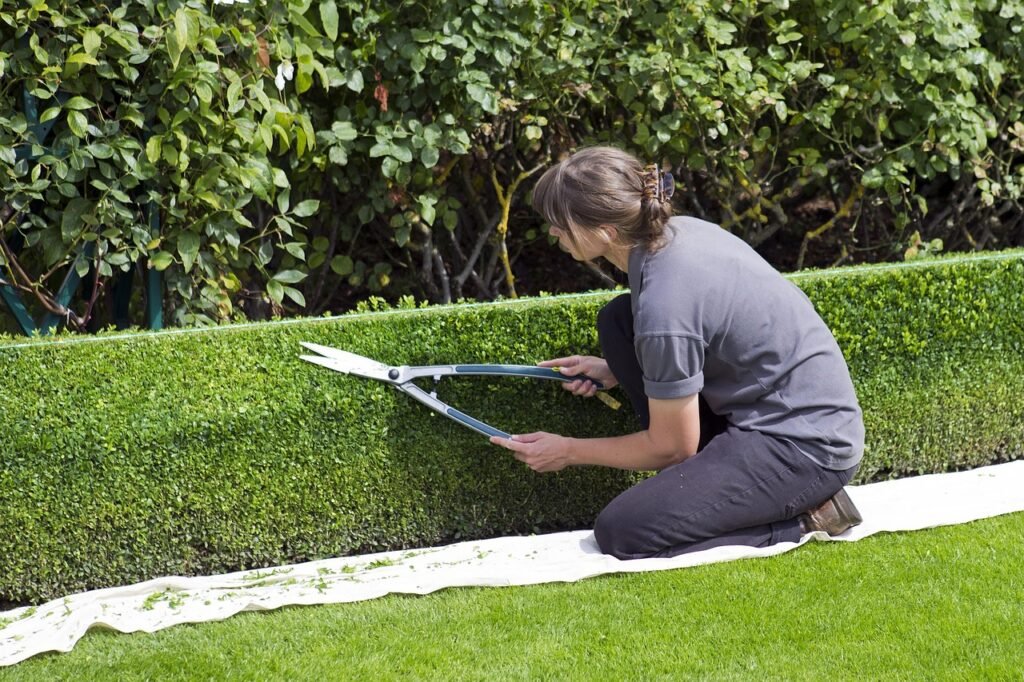
Many people assume that any pair of garden shears will do the job, believing that size and price are the only factors that matter. In reality, the effectiveness of pruning tools depends on ergonomics, blade technology, and maintenance habits—details that often go unnoticed until a plant suffers. This article shatters the myth that “all shears are the same” and reveals the nuanced choices that can transform a garden from tangled chaos to a well‑shaped oasis. By the end, even a complete novice will understand why the right shears matter as much as the seeds they plant. Ready to trim the confusion and get to the root of what makes a garden shear truly great?
📝 In This Post
Defining Garden Shears
Garden shears—also called pruning shears or secateurs—are handheld tools designed to cut stems, branches, and foliage with precision. The term “secateur” comes from the French word for “to cut,” highlighting the tool’s primary purpose: making clean, controlled cuts that promote healthy plant growth. Unlike large saws or loppers, garden shears are built for smaller tasks, typically handling stems up to about ¾ inch (2 cm) in diameter.
Understanding garden shears requires knowing a few key components. The blade (the cutting edge) can be straight, curved, or serrated; the handle provides grip and use; the pivot (or fulcrum) is the hinge that allows the blades to open and close; and the spring returns the blades to the open position after each cut. Each part influences comfort, cutting efficiency, and durability.
| Feature | Traditional Shears | Modern Ergonomic Shears | Impact |
|---|---|---|---|
| Blade Material | Carbon steel | Stainless steel or titanium‑coated | Corrosion resistance and longer sharpness |
| Handle Design | Straight metal | Contoured rubber or soft‑grip | Reduced hand fatigue |
| Cutting Capacity | Up to ½ inch | Up to ¾ inch | Broader plant range |
| Maintenance | Frequent sharpening | Self‑sharpening or coated blades | Less downtime |
Top Garden Shears Innovations to Know
1. Self‑Sharpening Carbide‑Tipped Blades
These blades feature a thin layer of carbide—a super‑hard material—bonded to the cutting edge. The carbide edge stays sharp far longer than ordinary steel.
When the blade rubs against the opposing steel surface, microscopic particles wear away the carbide layer at a controlled rate, essentially polishing the edge with each cut. This means gardeners can work for months without needing a professional sharpening session.
- Plus Points:
- Extended sharpness reduces frequent maintenance.
- Carbide resists rust better than plain carbon steel.
- Consistent clean cuts promote faster plant healing.
2. Ergonomic Soft‑Grip Handles with Vibration Dampening
Modern shears incorporate handles made from polymer blends that absorb vibration. The design mimics a glove’s contour, fitting the natural shape of the hand.
By reducing the amount of shock transferred to the wrist, these handles allow longer pruning sessions without soreness. The material also stays cool, preventing sweaty palms during hot weather.
- Plus Points:
- Minimizes hand and wrist fatigue.
- Improves control for precise cuts.
- Non‑slip surface maintains grip in wet conditions.
3. Adjustable Cutting Angle Mechanism
This feature lets the user tilt the blade relative to the handle, changing the angle of the cut from a straight slice to a more angled, bark‑sparing cut.
Adjustable angles are especially useful for delicate shrubs where a clean, angled cut reduces the risk of tearing bark, which can invite disease. The mechanism usually locks in place with a simple twist knob.
- Plus Points:
- Customizable cut angles for varied plant types.
- Reduces damage to bark and cambium.
- Simple knob adjustment requires no tools.
4. Integrated Pruning Saw Edge
Some hybrid shears add a small, serrated saw blade on the opposite side of the main cutter. This saw can handle stems just beyond the shears’ capacity, up to about 1½ inches.
The saw edge folds flush when not in use, preserving the tool’s compact shape. It enables gardeners to stay with one tool rather than swapping between shears and a separate saw.
- Plus Points:
- Versatility for thicker branches.
- Space‑saving design eliminates tool clutter.
- Same grip ergonomics apply to both functions.
5. Smart Sensor Feedback (IoT‑Enabled)
Emerging smart shears embed tiny sensors that measure blade pressure and angle, sending data to a companion smartphone app. The app can suggest optimal cutting techniques based on plant type.
While still niche, this technology helps beginners develop good pruning habits early, reducing the learning curve and preventing over‑pruning.
- Plus Points:
- Guided feedback accelerates skill acquisition.
- Data logs help track garden maintenance.
- Future firmware updates can add new features.
The Impact on Consumers
✔ Healthier Plants
Clean, precise cuts reduce tissue damage, allowing faster wound closure and lowering the chance of disease entry.
✔ Time Savings
Sharp, ergonomic tools cut through stems quickly, meaning less time spent on repetitive motions.
✔ Lower Long‑Term Costs
Durable materials and self‑sharpening features extend tool life, decreasing the need for frequent replacements.
✔ Reduced Physical Strain
Vibration‑dampening handles and balanced lever action protect wrists and forearms during extended pruning.
✔ Greater Confidence
Knowing a tool will perform reliably encourages gardeners to tackle more ambitious projects.
✔ Environmental Benefits
Long‑lasting shears mean fewer discarded metal products, contributing to less waste.
What’s Coming
- Biodegradable Handle Materials
Future handles may use plant‑based polymers that decompose safely after their useful life, reducing landfill impact.
- AI‑Powered Pruning Recommendations
Machine‑learning algorithms will analyze garden photos and suggest optimal pruning times for each species.
- Solar‑Charged Smart Sensors
Miniature solar cells embedded in the tool’s body could power sensors indefinitely, eliminating battery changes.
- Modular Blade Systems
Users will be able to snap‑in different blade types—straight, curved, or serrated—without tools, customizing for each task.
- Community‑Driven Firmware Updates
Open‑source platforms will let gardening enthusiasts share cutting‑technique scripts that can be uploaded to smart shears.
| Innovation | Current Adoption | Projected 2028 Market Share |
|---|---|---|
| Self‑Sharpening Carbide | 15% | 35% |
| Ergonomic Soft‑Grip | 40% | 60% |
| Adjustable Angle | 8% | 22% |
| Smart Sensor | 2% | 12% |
One Last Thing
The right garden shears are more than a cutting tool; they are an investment in plant health, personal comfort, and long‑term sustainability. By understanding blade materials, ergonomic design, and emerging technologies, gardeners can select a pair that grows with their skill set. Armed with this knowledge, even the newest green thumb can prune confidently and watch their garden flourish.