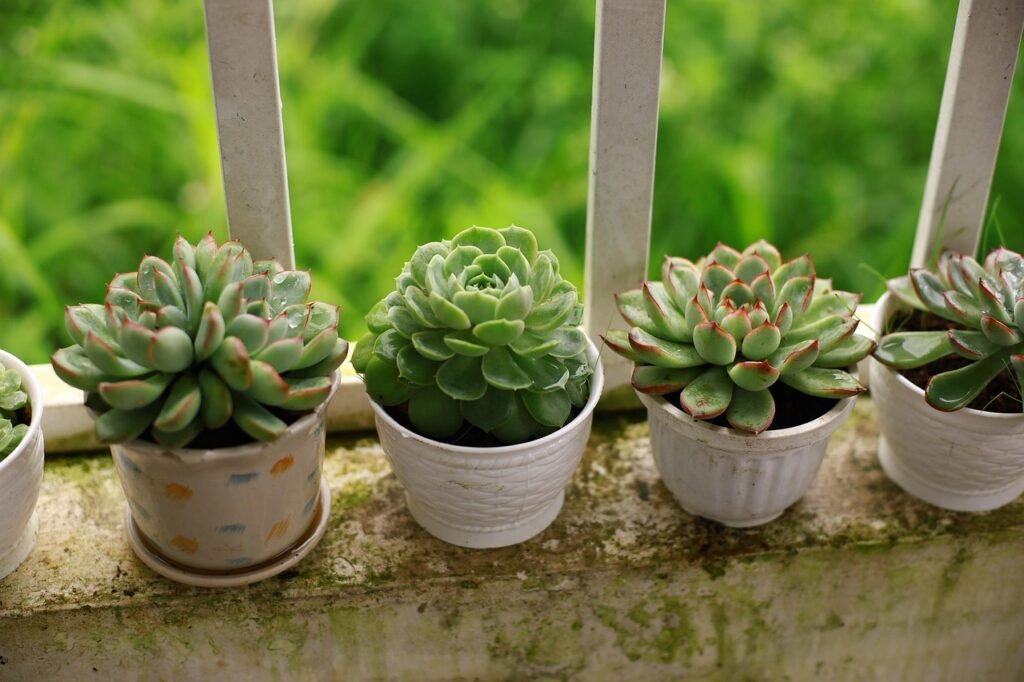
Most people assume that any container will do for planting, as long as it holds soil and a plant. The truth is far more nuanced; the wrong pot can stunt growth, invite disease, and waste water. Here’s the key thing to understand: a garden pot is an active participant in a plant’s health, not just a passive vessel. By the end of this article, readers will be able to select, position, and maintain pots with confidence, turning every container into a thriving micro‑garden. Most people miss this fundamental relationship between pot, plant, and environment, and that oversight costs time, money, and enthusiasm.
📝 Article Overview
A Closer Look at Garden Pots
Garden pots, also called containers, are designed to hold growing media and support plant roots while providing a controlled environment. They come in a staggering variety of materials, sizes, shapes, and finishes, each influencing water retention, temperature regulation, and aeration. Understanding these attributes helps gardeners match pots to plant species, climate conditions, and aesthetic goals.
In practice, a pot’s performance hinges on three core factors: material permeability, structural durability, and size appropriateness. For instance, terracotta is porous and excellent for Mediterranean herbs, whereas glazed ceramic retains moisture better for tropical foliage. The right size prevents root binding, and sturdy construction resists cracking during freeze‑thaw cycles. Below is a comparison that highlights the most common materials and their typical use cases.
| Material | Porosity | Durability | Best For |
|---|---|---|---|
| Terracotta | High | Medium | Mediterranean herbs, succulents |
| Glazed Ceramic | Low | High | Tropical foliage, indoor décor |
| Plastic (UV‑stabilized) | None | High | Budget projects, large annuals |
| Wood (Cedar/Redwood) | Medium | Medium (needs treatment) | Rustic garden beds, cooler climates |
Leading Garden Pot Solutions
1. Self‑Wicking Terracotta Pots
These pots incorporate a built-in wick system that draws water from a reservoir below the planting chamber. The design mimics natural capillary action, delivering moisture directly to the root zone.
Self‑wicking terracotta reduces the frequency of watering while maintaining the breathable qualities gardeners love. It is especially useful for balconies where daily watering may be inconvenient.
- Advantages:
- Improved water efficiency – roots receive water as needed, minimizing waste.
- Enhanced root health – consistent moisture prevents shock during hot spells.
- Extended planting periods – less frequent watering means fewer missed sessions.
2. Fiberglass Fabric Grow Bags
Fabric grow bags are lightweight, flexible containers made from woven fiberglass coated with a breathable membrane. They are favored for their ability to promote air pruning of roots.
When roots encounter the bag’s walls, they stop growing forward and branch laterally, creating a denser, more productive root system. This feature is prized by commercial growers and serious hobbyists alike.
- Advantages:
- Air pruning – prevents root circling and promotes healthier growth.
- Excellent drainage – excess water exits quickly, reducing risk of rot.
- Portability – easy to move, store, and reuse across seasons.
3. Composite Resin Planters
Composite resin combines recycled plastics with natural fibers, yielding a material that feels like stone but is lighter and more weather‑resistant. These planters often feature decorative textures that mimic stone or wood.
Because they resist UV degradation and cracking, they are ideal for outdoor settings that experience harsh sun or freeze‑thaw cycles. Their weight provides stability for tall or top‑heavy plants.
- Advantages:
- Long lifespan – resistant to cracking, fading, and warping.
- Low maintenance – no need for sealing or annual repainting.
- Aesthetic versatility – available in many styles to match garden design.
4. Smart Sensor‑Enabled Pots
These high‑tech containers embed moisture, temperature, and light sensors that sync with a smartphone app. The app alerts the gardener when conditions drift outside optimal ranges.
While the upfront cost is higher, the data-driven approach helps prevent over‑watering and under‑feeding, especially for novice growers who are still learning plant preferences.
- Advantages:
- Real‑time monitoring – immediate feedback on soil conditions.
- Data logging – track trends over weeks to refine care routines.
- Automation potential – some models integrate with smart irrigation systems.
5. Traditional Unglazed Clay Pots with Drainage Rings
The classic unglazed clay pot remains a staple for many gardeners due to its natural breathability and rustic charm. Adding a removable drainage ring at the bottom improves water control without sacrificing aesthetic.
These pots are especially effective for Mediterranean and xeric plants that thrive on a dry surface layer. The drainage ring allows the gardener to catch runoff for reuse, supporting sustainable practices.
- Advantages:
- Natural moisture regulation – porous walls allow excess water to evaporate.
- Enhanced aesthetic – timeless look that ages gracefully.
- Customizable drainage – rings can be swapped or removed as needed.
Why People Are Paying Attention
✔ Water Conservation
Modern pots that manage moisture efficiently reduce water bills and support eco‑friendly gardening, a priority as many regions face drought.
✔ Root Health Optimization
Technologies like air‑pruning and self‑watering keep roots from becoming root‑bound, leading to stronger, more productive plants.
✔ Aesthetic Integration
Design‑forward planters allow homeowners to blend functional gardening with interior and exterior décor, increasing property appeal.
✔ Longevity and Durability
Materials that resist cracking, UV fading, and rot save gardeners from frequent replacements, delivering long‑term value.
✔ Smart Gardening Compatibility
Sensor‑enabled pots fit seamlessly into the growing smart‑home ecosystem, offering data‑driven decisions that improve outcomes.
✔ Sustainable Practices
Recycled composites and reusable fabric bags align with the broader movement toward reducing waste in horticulture.
What to Expect Next
- Increased adoption of biodegradable pots made from mushroom mycelium or coconut coir.
These materials will decompose harmlessly after use, turning pots into soil amendments and closing the nutrient loop.
- Growth of modular pot systems that interlock for vertical gardening.
Gardeners will be able to build custom towers and walls without additional hardware, maximizing limited space.
- Integration of AI‑driven recommendations within pot sensor apps.
The software will suggest specific fertiliser schedules and pruning times based on real‑time plant data.
- Expansion of color‑changing ceramic glazes that react to sunlight.
Such visual feedback will indicate temperature extremes, prompting preventive actions before stress occurs.
- Wider availability of locally sourced, zero‑carbon‑footprint composite pots.
Manufacturers will partner with regional recycling programs to produce containers with minimal transport emissions.
Additional Data Table: Pot Size Recommendations by Plant Type
| Plant Category | Minimum Diameter (inches) | Root Depth (inches) | Suggested Material |
|---|---|---|---|
| Herbs (basil, thyme) | 6 | 8 | Terracotta |
| Annual Flowers (petunias, marigolds) | 8 | 10 | Plastic |
| Foliage Plants (ficus, philodendron) | 10 | 12 | Glazed Ceramic |
| Small Trees (citrus, olive) | 14 | 18 | Composite Resin |
Final Thoughts
Choosing the right garden pot is a decisive factor that influences water use, root development, and overall plant vigor. By aligning material, size, and technology with specific plant needs, gardeners can transform simple containers into thriving ecosystems. Mastery of these details empowers anyone to cultivate healthier, more resilient gardens with confidence.