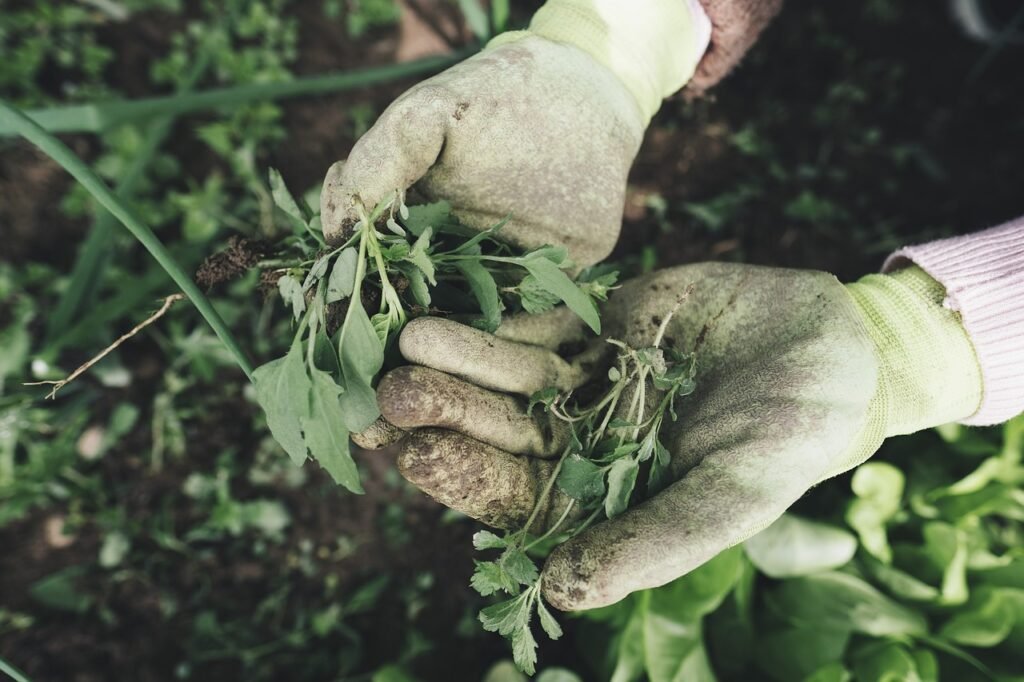
Every gardener, from the casual balcony grower to the seasoned horticulturist, has faced the stubborn challenge of removing unwanted plants that compete for nutrients, water, and sunlight. Those resilient weeds often develop deep taproots that make simple hand‑pulling ineffective, leading to wasted time, bruised fingers, and a garden that never quite looks its best. Moreover, the repeated disturbance of soil can harm beneficial microbes, reducing overall soil health. Imagine a tool that can extract a weed cleanly, preserve the surrounding soil structure, and do so with minimal effort—this is the promise of a good weed puller. Below, the real‑world examples of these tools are examined, showing how they solve the everyday problem of stubborn weeds while keeping the garden healthy and productive.
📝 Article Overview
What Is a Weed Puller?
A weed puller—sometimes called a weed extractor or weed remover—is a hand‑held device designed to grip a weed’s root system and extract it from the soil with a lever‑action or ergonomic handle. Unlike a simple garden trowel, which relies on digging around the root, a weed puller isolates the root and applies upward force, reducing soil disturbance. The concept is similar to a pair of tweezers for plants: the jaws clamp the stem, and the handle provides the use needed to lift the whole plant out of the ground. This tool is especially useful for annual weeds with shallow roots and for perennial weeds that develop deep taproots, such as dandelions or thistles.
In the broader context of garden maintenance, weed pullers belong to the family of ergonomic gardening tools that aim to reduce physical strain. They are often made from lightweight aluminum or reinforced plastic, feature rubberized grips for comfort, and incorporate a spring‑loaded mechanism that opens the jaws automatically after each use. By minimizing bending and repetitive motions, these tools help gardeners avoid back pain and repetitive‑strain injuries.
| Feature | Standard Trowel | Basic Weed Puller | Premium Weed Puller |
|---|---|---|---|
| Root Gripping Mechanism | None | Simple clamp | Adjustable, spring‑loaded jaws |
| use Ratio | 1:1 | 1:3 | 1:5 |
| Soil Disturbance | High | Medium | Low |
| Ergonomic Grip | Basic plastic | Rubberized | Adjustable, anti‑slip |
Core Weed Puller Approaches
1. Lever‑Action Clamp Pullers
Lever‑action clamp pullers use a simple see‑saw mechanism where the handle acts as the fulcrum. The jaws close around the weed stem when the user squeezes the handle, and the longer rear arm provides the lifting force.
These tools are typically made of aluminum for lightness and feature a spring that automatically opens the jaws after each pull, readying the device for the next weed. The design excels with shallow‑rooted annuals such as chickweed or crabgrass, allowing quick removal across large garden beds.
- What You Gain:
- Rapid extraction of shallow weeds with minimal soil disruption.
- Lightweight construction reduces user fatigue.
- Spring‑reset mechanism keeps workflow continuous.
2. Adjustable‑Jaw Pullers
Adjustable‑jaw pullers incorporate a sliding screw or dial that changes the distance between the jaws. This adaptability allows the tool to handle stems of varying thickness, from thin lamb’s‑quarters to thick thistle stalks.
The adjustment mechanism is usually located near the handle, enabling on‑the‑fly changes without stopping work. This flexibility makes the tool suitable for mixed‑weed gardens where plant size varies dramatically.
- What You Gain:
- Versatility across a wide range of weed sizes.
- Reduced need to switch between multiple tools.
- Improved ergonomics because the user can set the optimal jaw width before each pull.
3. Curved‑Blade Extractors
Curved‑blade extractors feature a semi‑circular blade that slides under the weed’s root while the handle lifts. The curvature matches the natural contour of many taproots, allowing the blade to slip beneath without breaking the root.
These devices are particularly effective for perennial weeds like dandelions, whose deep taproots can be difficult to grasp with a straight clamp. By sliding under the root, the tool minimizes the chance of snapping the root and leaving a fragment that can regrow.
- What You Gain:
- Higher success rate with deep taproots.
- Less root breakage reduces weed recurrence.
- Compact design fits into tight spaces between rows.
4. Ratchet‑Assist Pullers
Ratchet‑assist pullers incorporate a gear‑like ratchet that incrementally tightens the jaws around the stem as the user squeezes the handle. Each squeeze adds a small amount of pressure, allowing the user to build force gradually.
This incremental approach is valuable when dealing with stubborn weeds that have strong root anchorage, such as bindweed. The ratchet reduces the need for a sudden, forceful pull that could strain the gardener’s wrist.
- What You Gain:
- Controlled force buildup minimizes wrist strain.
- Effective on highly anchored, tough weeds.
- Allows precise extraction without excessive shaking of surrounding soil.
5. Multi‑Tool Combination Systems
Multi‑tool systems combine a weed puller with other garden implements, such as a hand fork or mini‑spade, in a single extendable shaft. The user can switch between functions by sliding a lock‑in mechanism.
These hybrid tools are ideal for gardeners who prefer a compact tool kit, especially in small urban gardens or raised beds where storage space is limited. The ability to dig, loosen soil, and pull weeds without changing tools streamlines the maintenance process.
- What You Gain:
- Space‑saving design reduces the number of separate tools.
- Versatility for digging, loosening, and pulling in one motion.
- Cost‑effective compared to purchasing each tool individually.
What This Means in Practice
✔ Faster Weed Removal
By gripping the root and using use, gardeners can extract weeds in seconds rather than minutes, freeing up time for other tasks such as planting or composting.
✔ Lower Physical Strain
The ergonomic handles and lever mechanisms reduce the need for bending and heavy lifting, protecting the back and wrists during long gardening sessions.
✔ Reduced Soil Disruption
Because the tool isolates the weed’s root, surrounding soil remains largely undisturbed, preserving beneficial microorganisms and soil structure.
✔ Decreased Weed Regrowth
Extracting the entire root system prevents fragments from remaining in the ground, which is a common cause of weed resurgence.
✔ Improved Garden Aesthetics
Cleanly removed weeds leave smooth soil surfaces, making garden beds look tidy and well‑maintained.
✔ Cost‑Effective Maintenance
Investing in a quality weed puller reduces the need for chemical herbicides, lowering long‑term expenses and supporting organic gardening practices.
How This Will Evolve
- Integration of Smart Sensors
Future weed pullers may embed pressure sensors that alert the user when a root is fully engaged, ensuring complete extraction.
- Lightweight Composite Materials
Advances in carbon‑fiber composites could produce ultra‑light tools that retain strength, further reducing user fatigue.
- Adjustable use Ratios
Adjustable lever arms could allow gardeners to select the optimal mechanical advantage for different soil types, from sandy loam to heavy clay.
- Eco‑Friendly Manufacturing
Recycled aluminum and biodegradable plastics will become standard, aligning the tools with sustainable gardening values.
- Modular Attachment Systems
Interchangeable heads—such as a mini‑fork, soil aerator, or seed planter—will attach to a single handle, creating an all‑in‑one gardening platform.
| Model | Type | Max Stem Diameter | Price (USD) |
|---|---|---|---|
| GardenMate 12 | Lever‑Action | 6 mm | $19.99 |
| RootMaster Pro | Adjustable‑Jaw | 15 mm | $34.95 |
| TapRoot Curve | Curved‑Blade | 10 mm | $27.50 |
| RatchetForce X | Ratchet‑Assist | 12 mm | $42.00 |
What It All Means
Weed pullers transform a labor‑intensive chore into a quick, ergonomic task, preserving soil health while keeping gardens tidy. The variety of designs—lever, adjustable, curved, ratchet, and multi‑tool—ensures that every gardener can find a solution tailored to specific weed types and garden conditions. As materials and smart technology advance, these tools will become even lighter, more precise, and more sustainable, solidifying their role as essential implements for modern, low‑impact gardening.