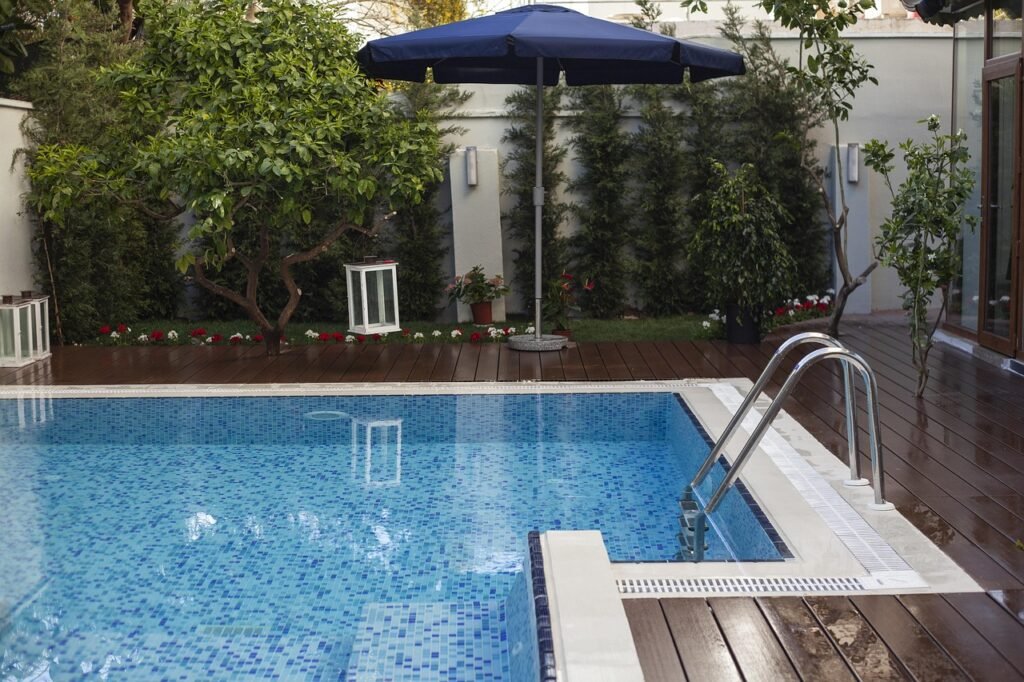
Imagine stepping out onto a sun‑drenched patio in early June, the scent of lavender mingling with fresh-cut grass, a sleek fire pit crackling nearby, and a kids’ play area safely tucked behind a living‑wall of succulents. The backyard feels like an extension of the home—functional, stylish, and uniquely personal. In a world where outdoor living has become a year‑round priority, choosing the right landscaping approach can raise property value, improve mental health, and reduce water usage. The decisions made today will shape how families gather, garden, and relax for years to come. Selecting the right mix of hardscape, plant palette, and technology is no longer a simple weekend project; it’s a strategic investment.
📝 Contents
The Basics of Backyard Landscaping
Before diving into the newest trends, it helps to understand the core components that make a backyard both beautiful and functional. At its heart, landscaping blends three pillars: hardscape (paths, patios, retaining walls), softscape (plants, lawns, soil), and utility (irrigation, lighting, drainage). Hardscape provides structure and defines zones—think of it as the skeleton. Softscape adds color, texture, and ecological benefits, acting as the flesh. Utility ties everything together, ensuring water flows correctly, lights highlight focal points, and low‑maintenance systems keep the space thriving with minimal effort.
In 2026, sustainability and technology have moved from optional add‑ons to baseline expectations. Drought‑tolerant species, smart irrigation controllers, and permeable pavers are now considered standard rather than premium upgrades. Homeowners also expect seamless integration of indoor and outdoor living, meaning the transition from living room to patio should feel natural, with consistent flooring materials, cohesive color palettes, and shared furniture lines. Understanding these fundamentals prepares anyone to evaluate the myriad design options that follow.
| Metric | Why It Matters |
|---|---|
| Water Efficiency | Reduces utility bills and supports local water restrictions. |
| Maintenance Load | Determines long‑term time commitment and cost. |
| Cost per Square Foot | Helps budget planning and ROI calculation. |
| Aesthetic Flexibility | Allows future style updates without major reconstruction. |
Backyard Landscaping Methods Worth Knowing
1. Modern Minimalist Hardscape
Think clean lines, large concrete slabs, and a restrained plant palette. The look is inspired by mid‑century modern homes in Los Angeles and has become popular in suburban neighborhoods across Texas.
- Plus Points:
- Creates a sleek, timeless aesthetic that ages gracefully.
- Low maintenance—no mowing, minimal pruning.
- Excellent for small backyards where space feels limited.
- Drawbacks:
- Initial installation cost can be high due to premium pavers.
- May feel cold or uninviting without thoughtful softscape additions.
Best for: homeowners who favor a sophisticated, low‑maintenance environment.
2. Native Drought‑Resistant Garden
Rooted in the practices of Arizona’s desert gardeners, this method uses plants like Agave americana, Red Yucca, and Desert Willow to create a resilient, water‑wise oasis.
- Plus Points:
- Significant water savings—up to 70% less irrigation.
- Supports local pollinators and biodiversity.
- Plants are hardy, reducing replacement frequency.
- Drawbacks:
- Limited color palette can feel monotonous if not designed well.
- Initial soil amendment may be required for optimal plant health.
Best for: eco‑conscious homeowners in arid climates seeking low‑maintenance beauty.
3. Outdoor Living Room with Smart Tech
Inspired by the open‑concept living rooms of coastal homes in Charleston, this approach integrates modular sofas, weather‑proof TVs, and AI‑controlled lighting and speakers.
- Plus Points:
- Transforms the backyard into a true second living space.
- Smart controls allow automated lighting, temperature, and music.
- High resale value—buyers love ready‑to‑use entertainment zones.
- Drawbacks:
- Higher upfront cost for furniture and technology.
- Requires reliable outdoor power and possibly a dedicated Wi‑Fi extender.
Best for: families who love hosting and want a seamless indoor‑outdoor flow.
4. Edible Landscape with Raised Beds
Combining aesthetics with function, this method places vegetable and herb beds within ornamental borders, reminiscent of the historic kitchen gardens of New England farms.
- Plus Points:
- Provides fresh produce, reducing grocery bills.
- Educational for children—hands‑on learning about food cycles.
- Visually appealing when interplanted with flowering perennials.
- Drawbacks:
- Requires regular maintenance—planting, harvesting, pest management.
- Seasonal limitations in colder climates may reduce yield.
Best for: DIY enthusiasts who enjoy gardening and want to eat what they grow.
5. Multi‑Level Terraced Garden
Borrowed from hillside vineyards in Napa Valley, terracing creates distinct levels for different activities—play, dining, and quiet meditation.
- Plus Points:
- Maximizes usable space on sloped lots.
- Provides natural drainage, reducing erosion.
- Offers visual drama and multiple sightlines.
- Drawbacks:
- Complex construction—requires professional grading and retaining walls.
- Higher material costs for retaining structures and steps.
Best for: homeowners with uneven terrain looking to create distinct functional zones.
Side‑by‑Side Comparison of Popular Backyard Landscaping Options
| Option | Best For | Difficulty | Cost | Speed |
|---|---|---|---|---|
| Modern Minimalist Hardscape | Sleek, low‑maintenance aesthetic | Medium | $$$ | 2‑4 months |
| Native Drought‑Resistant Garden | Eco‑friendly, water‑wise yard | Low | $$ | 1‑3 months |
| Outdoor Living Room with Smart Tech | Entertaining, tech‑savvy families | Medium‑High | $$$$ | 3‑6 weeks |
| Edible Landscape with Raised Beds | Gardeners who want food | Low‑Medium | $$ | 4‑8 weeks |
| Multi‑Level Terraced Garden | Sloped lots, dramatic design lovers | High | $$$$$ | 4‑8 months |
How to Choose the Right One
First, assess the climate and water availability. In regions like the Pacific Northwest, a rain‑garden or native wet‑land plants make sense, whereas desert zones benefit from xeriscaping. Understanding local precipitation patterns prevents over‑irrigation and protects against drought penalties.
Second, consider the available square footage and topography. A flat 1,500‑square‑foot lot may thrive with a modern minimalist layout, while a 2,200‑square‑foot sloped property can justify the expense of terracing. Mapping the yard’s contours using a simple level tool or a phone app will reveal hidden opportunities for drainage and view corridors.
Third, weigh the lifestyle priorities. Families with young children often need safe play zones, easy‑to‑clean surfaces, and visible sightlines. Empty‑nest couples might prioritize an intimate fire pit and low‑maintenance planting. List the top three activities—entertaining, gardening, relaxation—and match each to the method that best supports those uses.
Fourth, calculate the budget and ongoing costs. While an outdoor living room with smart tech offers high resale appeal, the upfront investment can exceed $30,000. In contrast, a native drought‑resistant garden may start under $5,000 but still require periodic soil testing. Create a spreadsheet tracking initial outlay, annual water/maintenance expenses, and projected ROI based on local market data.
Finally, factor in future adaptability. Trends evolve, but a well‑designed hardscape can accommodate new plantings, additional lighting, or even a future pool. Choose modular furniture, removable planters, and pavers that can be re‑configured without demolition. This forward‑thinking approach protects the homeowner’s investment as needs change.
The Impact on Consumers
Choosing the right landscaping method can dramatically improve property value. A well‑executed modern hardscape often adds 5‑10% to a home’s resale price, especially in markets where curb appeal drives buyer decisions.
Energy consumption may drop as well. Smart lighting and shade structures reduce the need for indoor air‑conditioning during hot summer evenings, saving homeowners up to 15% on electricity bills.
Health benefits are another compelling outcome. Access to green space encourages daily physical activity—whether it’s a brisk walk along a permeable path or gardening in raised beds—supporting cardiovascular health and lowering stress levels.
Environmental stewardship is amplified when native plants are used. They provide habitat for pollinators, improve soil health, and reduce runoff that can carry fertilizers into nearby waterways.
Social interaction flourishes in outdoor living rooms that invite neighbors over for barbecues or movie nights, fostering a stronger sense of community and belonging.
Lastly, the psychological boost of a beautiful, personalized backyard can increase overall life satisfaction. Homeowners often report feeling a deeper connection to their property and a greater sense of pride after completing a thoughtful landscaping project.
To Sum Up
Understanding climate, topography, lifestyle, budget, and future flexibility creates a reliable decision framework for backyard landscaping. By comparing modern minimalist hardscape, native drought‑resistant gardens, smart outdoor living rooms, edible raised beds, and terraced designs, homeowners can select the approach that aligns with their priorities. The right choice not only enhances aesthetic appeal but also delivers lasting financial, health, and environmental benefits.