
Step-by-Step Garden Design: From Frustration to Flourishing Outdoor Space
Ever stood in a backyard full of potential and wondered why it never looks the way it should? Most homeowners feel the sting of wasted time, money, and energy when their garden never matches the vision they imagined. The problem often begins with a lack of clear planning, leading to mismatched plants, uneven flow, and a space that feels more chaotic than calming. Here’s the key thing to understand: without a structured approach, even the most enthusiastic gardener can end up with a patchwork that looks haphazard rather than harmonious.
📝 What You'll Learn
Common Challenges With Garden Design (step by step)
Unclear Vision and Goals
Many beginners start planting without defining what they truly want from their garden. This results in a mix of ornamental and functional elements that clash visually. The root cause is often a failure to ask fundamental questions about usage, style, and maintenance expectations.
Improper Site Analysis
Neglecting to assess soil type, sunlight exposure, and microclimates leads to plant failures and constant replanting. Most people miss this because they assume a sunny spot is suitable for any plant, ignoring the nuance of shade‑tolerant species and soil drainage.
Poor Spatial Planning
Without a layout that respects traffic flow and sight lines, gardens become cramped and confusing. This happens when designers place large shrubs too close to pathways or ignore the natural movement patterns of people and wildlife.
Inconsistent Plant Selection
Choosing plants based solely on aesthetics without considering growth habits, water needs, or seasonal interest creates imbalance. The issue arises when gardeners focus on a single bloom color or leaf shape rather than a cohesive palette.
Neglecting Maintenance Requirements
Designs that look great on day one can become burdensome if they demand excessive pruning, watering, or fertilizing. This oversight usually stems from underestimating the time and resources required to keep the garden thriving.
Top Garden Design Innovations to Know
1. Integrated Water Management Systems
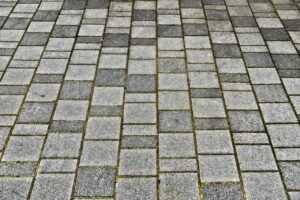
Implementing rain gardens, permeable pavers, and drip irrigation creates a water‑wise garden that conserves resources while enhancing plant health. Start by mapping the natural water flow on the site, then install a series of shallow depressions filled with native, moisture‑loving plants to capture runoff. Connect these features to a drip system that delivers water directly to the root zone, reducing evaporation. Finally, use permeable pavers for pathways to allow excess water to infiltrate the soil instead of pooling.
- Advantages:
- Reduces water waste and lowers utility bills.
- Improves soil health and reduces erosion.
- Creates attractive, functional landscape elements.
2. Modular Raised Bed Systems
Modular raised beds offer flexibility, allowing gardeners to reconfigure layouts as needs change. Choose a system of interlocking, recyclable plastic or sustainably sourced wood blocks that snap together without tools. Fill each module with a high‑quality soil mix, then plant according to companion planting principles to maximize yield and pest resistance. Because the beds are elevated, soil temperature warms faster, extending the growing season.
- Advantages:
- Easy to assemble, disassemble, and relocate.
- Improves soil drainage and aeration.
- Facilitates organic gardening practices.
3. Smart Lighting Controls
Modern LED lighting paired with motion sensors and timers creates ambience while conserving energy. Install low‑voltage LED strips along pathways, using a programmable controller that adjusts brightness based on sunset times. Integrate motion sensors near seating areas so lights brighten only when someone is present, enhancing safety without constant illumination.
- Advantages:
- Extends garden usability into evening hours.
- Reduces electricity consumption.
- Provides customizable mood settings.
4. Native Plant Guilds
Designing with native plant guilds groups species that support each other, fostering biodiversity and reducing maintenance. Identify a guild appropriate for the region—such as a prairie mix for the Midwest—and plant it in clusters that mimic natural ecosystems. This approach encourages pollinators, improves soil structure, and often requires less watering once established.
- Advantages:
- Supports local wildlife and pollinators.
- Minimizes irrigation and fertilization needs.
- Creates resilient, low‑maintenance plant communities.
5. Multi‑Functional Outdoor Furniture
Furniture that doubles as storage or planters maximizes limited space. Choose benches with built‑in compartments for garden tools, or tables with removable tops that reveal planting boxes. These pieces not only provide seating but also keep essential items organized and out of sight.
- Advantages:
- Optimizes space in small gardens.
- Reduces clutter and improves aesthetics.
- Encourages tidy, efficient garden maintenance.
6. Digital Design Software with 3‑D Visualization
Using web‑based garden design tools allows homeowners to experiment with layout, plant selection, and hardscape before breaking ground. Upload a site plan, then drag and drop virtual plants, paths, and structures, adjusting scale and perspective. The software generates a realistic 3‑D rendering, helping to spot design flaws early and communicate ideas clearly to contractors.
- Advantages:
- Reduces costly trial‑and‑error during construction.
- Facilitates clear communication with stakeholders.
- Enables rapid iteration of design concepts.
| Approach | Old Way | Better Way | Result |
|---|---|---|---|
| Water Management | Fixed irrigation schedule, no runoff capture. | Rain gardens + drip irrigation. | Lower water use, healthier plants. |
| Plant Layout | Random planting based on preference. | Modular raised beds with companion planting. | Improved yields, easier maintenance. |
| Lighting | Constant on‑off fixtures. | Smart LED controls with sensors. | Energy savings, enhanced safety. |
| Plant Selection | Exotic species without site fit. | Native plant guilds. | Higher survival, biodiversity boost. |
| Design Process | Sketches on paper, limited revisions. | Digital 3‑D design software. | Fewer mistakes, clearer vision. |
Practical Takeaways
In a suburban courtyard, a homeowner applied an integrated water management system and saw a 40% reduction in monthly water bills while the newly installed rain garden attracted butterflies within weeks.
A small urban garden used modular raised beds to grow a seasonal vegetable mix, resulting in a 30% increase in harvest compared to the previous year’s in‑ground planting.
By installing smart lighting controls along a winding pathway, a family extended their evening gatherings outdoors, enjoying a well‑lit setting without a noticeable increase in electricity costs.
One property transitioned to native plant guilds, eliminating the need for supplemental watering after the first season and seeing a dramatic rise in local pollinator activity.
Using digital 3‑D design software, a couple visualized their backyard remodel, avoided costly layout errors, and completed construction two weeks ahead of schedule.
Step-by-Step Action Plan
- Conduct a site analysis: measure sunlight, soil type, and drainage patterns. This data forms the foundation for every design decision.
- Define clear objectives: decide whether the garden will prioritize entertainment, food production, or wildlife habitat. Clear goals prevent scope creep.
- Create a rough sketch: outline major zones such as seating, planting beds, and pathways. Sketching clarifies spatial relationships early.
- Select appropriate plants: choose native species and companions that match site conditions. Proper selection reduces future maintenance.
- Plan water infrastructure: design rain gardens and install drip lines before planting. Early water planning ensures efficient irrigation.
- Integrate lighting and furniture: place smart LEDs and multi‑functional pieces where they enhance usability. Thoughtful placement maximizes comfort and safety.
- Use digital visualization: render the final plan in 3‑D software and adjust as needed before breaking ground. Visualization catches errors before they become costly.
The Bottom Line
Garden design becomes manageable when approached step by step, addressing each challenge before it escalates. By embracing modern innovations such as water‑wise systems, modular beds, and digital planning, homeowners can create resilient, beautiful outdoor spaces that serve their needs for years to come. The result is not just a garden, but a living extension of the home that enriches daily life and supports the environment.







6 thoughts on “Step-by-Step Garden Design Guide for Beautiful Outdoor Spaces”