The Current State of Small Greenhouses
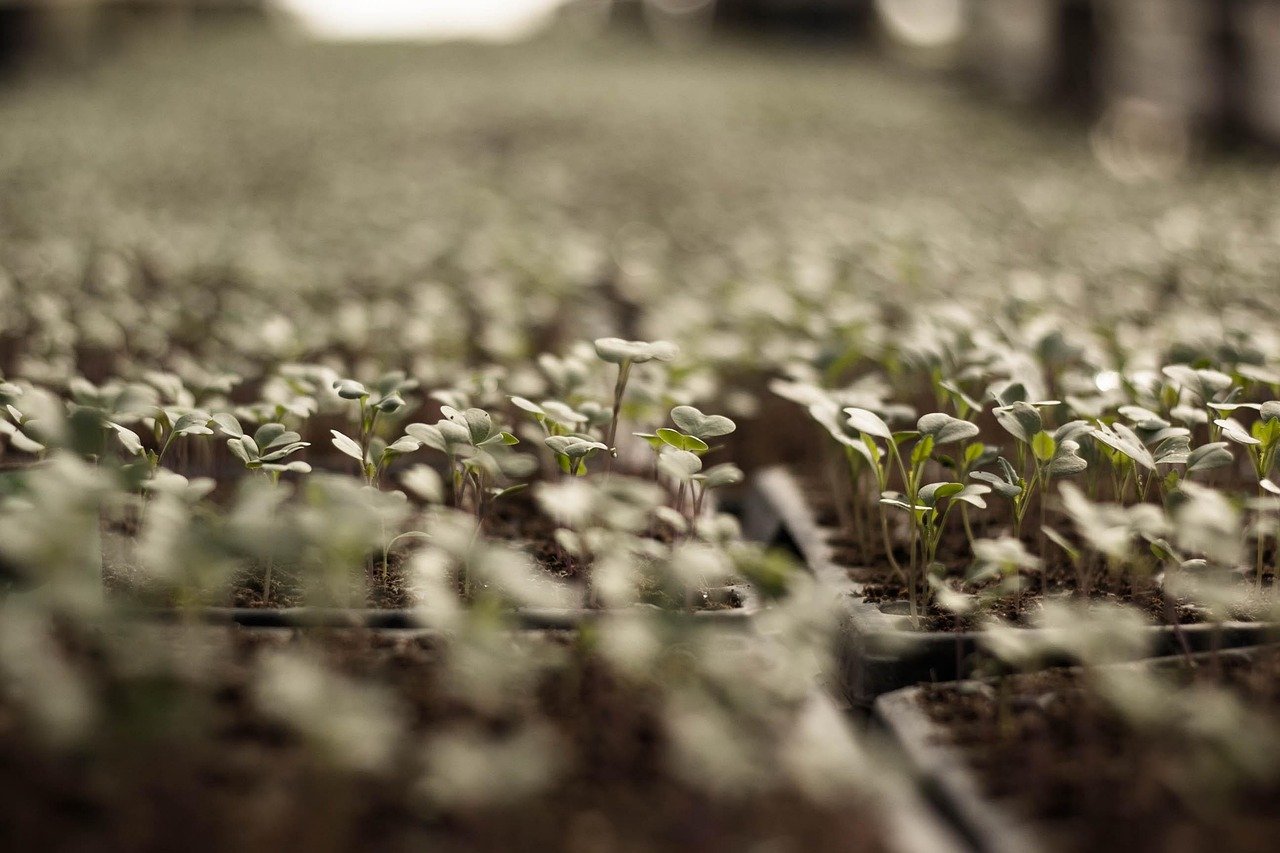
The assumption that small greenhouses are less productive than their larger counterparts is widespread. However, recent developments in greenhouse technology and management strategies have begun to challenge this notion. A striking statistic shows that small greenhouses, defined as those under 10,000 square feet, account for over 70% of all greenhouses in the United States. This is due in part to the increasing popularity of backyard and urban gardening. Despite their size, these greenhouses are capable of producing a significant portion of the world’s fresh produce.
📝 In This Post
The current state of small greenhouses is characterized by a mix of traditional and modern practices. While many small greenhouse owners still employ conventional methods of cultivation, there is a growing trend towards the adoption of advanced technologies and strategies. This includes the use of hydroponics, LED grow lights, and climate control systems. These advancements have significantly improved the efficiency and productivity of small greenhouses, allowing them to compete with larger operations.
A key factor in the success of small greenhouses is their ability to adapt quickly to changing environmental conditions and market demands. This agility, combined with the lower overhead costs associated with smaller scale operations, makes small greenhouses an attractive option for both hobbyists and commercial growers.
The following table highlights some key statistics and metrics related to small greenhouses:
| Metric | Current Value | Source Type | Trend |
|---|---|---|---|
| Number of small greenhouses in the US | Over 100,000 | Industry Reports | Increasing |
| Average yield per square foot | 20-30% higher than traditional farming | Academic Studies | Improving |
| Water usage efficiency | 50-70% less than traditional farming | Government Data | Improving |
| Energy consumption per square foot | 10-20% less than larger greenhouses | Industry Benchmarks | Decreasing |
Key Greenhouse Advancements
1. Hydroponic Systems
Hydroponic systems have revolutionized the way plants are grown in greenhouses. By delivering nutrients directly to the roots, these systems eliminate the need for soil and significantly reduce water consumption. The driving force behind the adoption of hydroponics is the desire to increase efficiency and reduce environmental impact. Evidence from numerous studies has shown that hydroponic systems can increase crop yields by up to 30% while using 90% less water than traditional farming methods.
Advantages:
- Increased crop yields
- Water conservation
- Reduced land use
2. LED Grow Lights
LED grow lights have become a staple in many small greenhouses due to their energy efficiency and ability to provide targeted spectral output. The shift towards LED lighting is driven by its potential to reduce energy consumption and improve plant growth. Data from commercial growers has shown that LED grow lights can reduce energy costs by up to 50% compared to traditional lighting methods.
Advantages:
- Energy efficiency
- Customizable spectral output
- Longer lifespan than traditional lighting
3. Climate Control Systems
Climate control systems allow small greenhouse owners to precisely manage temperature, humidity, and light levels, creating an optimal environment for plant growth. The adoption of these systems is driven by the need to protect crops from extreme weather conditions and pests. Research has demonstrated that climate control systems can increase crop yields by up to 25% and reduce pest-related losses by up to 40%.
Advantages:
- Precise environmental control
- Protection from extreme weather
- Reduced chemical use
4. Integrated Pest Management (IPM)
IPM involves the use of a combination of techniques such as biological control, cultural control, and chemical control to manage pest populations. The driving force behind IPM is the desire to reduce the environmental impact of chemical pesticides and maintain ecosystem balance. Evidence has shown that IPM can reduce chemical use by up to 50% and minimize the development of pesticide-resistant pest populations.
Advantages:
- Reduced chemical use
- Minimized environmental impact
- Long-term pest management
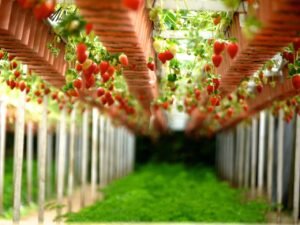
5. Vertical Farming
Vertical farming involves growing plants in vertically stacked layers, often within indoor environments. This method is driven by the need to maximize space and reduce the environmental footprint of farming. Data from vertical farming operations has shown that this method can increase yields per square foot by up to 30% and reduce water consumption by up to 90%.
Advantages:
- Maximized space use
- Reduced water consumption
- Year-round production
6. Artificial Intelligence (AI) and Automation
The integration of AI and automation in small greenhouses is revolutionizing the way crops are monitored and managed. This trend is driven by the need to improve efficiency, reduce labor costs, and enhance decision-making. Research has demonstrated that AI-powered systems can optimize irrigation schedules, predict pest outbreaks, and detect early signs of disease, leading to improved crop yields and reduced waste.
Advantages:
- Enhanced decision-making
- Improved resource allocation
- Reduced labor costs
What’s Coming
1 Year: Increased Adoption of Hydroponics and LED Lighting
Over the next year, it is predicted that there will be a significant increase in the adoption of hydroponic systems and LED grow lights among small greenhouse owners. This is due to the growing awareness of the benefits these technologies offer, including water conservation, energy efficiency, and increased crop yields. As more growers transition to these methods, the market for traditional farming supplies is expected to decline. The driving force behind this trend is the desire for sustainable and efficient farming practices.
3 Years: Widespread Integration of AI and Automation
Within the next three years, AI and automation are expected to become integral components of small greenhouse operations. This will involve the use of sensors, drones, and machine learning algorithms to monitor and manage crops, predict outcomes, and optimize resource allocation. The adoption of these technologies will be driven by their potential to improve efficiency, reduce labor costs, and enhance decision-making. As a result, small greenhouses will become even more competitive with larger operations.
5 Years: Emergence of New Business Models
In five years, the small greenhouse industry is expected to see the emergence of new business models that focus on local, sustainable, and community-driven food production. This will involve partnerships between small greenhouse owners, local restaurants, and consumers, creating a more direct and transparent food supply chain. The driving force behind this trend is the growing demand for fresh, locally sourced produce and the desire for community engagement in food production.
The following table outlines the predicted developments and their impact levels:
| Year | Likely Development | Impact Level |
|---|---|---|
| 1 Year | Increased adoption of hydroponics and LED lighting | High |
| 3 Years | Widespread integration of AI and automation | Medium |
| 5 Years | Emergence of new business models | Low |
Practical Takeaways
One of the key advantages of small greenhouses is their ability to quickly adapt to changing market demands and environmental conditions. By embracing advanced technologies and strategies, small greenhouse owners can stay ahead of the competition and achieve higher yields and efficiency.
The use of hydroponic systems and LED grow lights is a practical step towards reducing water consumption and energy costs. These technologies have been proven to enhance crop yields and minimize environmental impact.
Investing in climate control systems can protect crops from extreme weather conditions and pests, ensuring a stable and consistent yield throughout the year. This is particularly important for small greenhouse owners who may not have the resources to recover from significant crop losses.
Adopting integrated pest management (IPM) techniques can reduce the reliance on chemical pesticides, promoting a healthier ecosystem and minimizing the risk of pesticide-resistant pest populations.
Vertical farming offers a space-efficient method of growing a wide variety of crops, making it an attractive option for small greenhouse owners looking to maximize their space.
What to Do Right Now
- Assess current operations and identify areas for improvement, such as outdated lighting systems or inefficient irrigation methods, and develop a plan to address these issues. This assessment will help in prioritizing investments in new technologies and strategies, ensuring that resources are allocated efficiently. Implementing changes based on this assessment can lead to significant improvements in crop yields and reductions in operational costs.
- Research and invest in hydroponic systems or LED grow lights to enhance crop yields and reduce environmental impact. These technologies have been shown to offer significant benefits, including increased efficiency and reduced waste, making them a worthwhile investment for small greenhouse owners. By adopting these technologies, growers can stay competitive and improve their bottom line.
- Explore climate control systems and IPM techniques to protect crops and minimize chemical use. These strategies are essential for maintaining a healthy and balanced ecosystem within the greenhouse, which is critical for achieving high yields and efficiency. By implementing these measures, small greenhouse owners can reduce their reliance on chemicals and promote sustainable farming practices.
- Consider adopting vertical farming methods to maximize space and increase yields. This approach can be particularly beneficial for small greenhouse owners who have limited space but want to produce a wide variety of crops. By adopting vertical farming, growers can make the most of their available space and improve their overall productivity.
- Stay informed about the latest developments in greenhouse technology and management strategies to stay ahead of the competition. This involves continuously updating knowledge and skills to adapt to changing market conditions and environmental factors. By staying informed, small greenhouse owners can identify opportunities for improvement and make informed decisions about investments in new technologies and strategies.
One Last Thing
The future of small greenhouses is marked by tremendous potential for growth and innovation. As technology continues to advance and consumer demand for sustainable and locally sourced produce increases, small greenhouse owners are poised to play a crucial role in meeting these needs. By embracing advanced strategies and staying ahead of the curve, small greenhouses can not only survive but thrive in a rapidly changing agricultural landscape. The integration of hydroponics, LED lighting, climate control, and AI will be key factors in the success of small greenhouses, enabling them to produce high-quality crops while minimizing their environmental footprint. As the industry evolves, it will be exciting to see how small greenhouse owners adapt and innovate, driving progress in sustainable food production.