A surprising 75% of homeowners in the United States use gas-powered lawn mowers, despite the growing trend towards more environmentally friendly options. Choosing the right approach to lawn care matters, not just for the health of your lawn, but also for your budget and the environment. With so many options available, from traditional gas-powered mowers to electric, cordless, and even robotic mowers, making an informed decision can seem daunting. However, understanding the basics and comparing the various models on the market can help you find the perfect mower for your needs. The right mower can save you time, money, and effort in the long run. Given the vast array of choices, it’s crucial to know what you’re looking for.
📝 Contents
The Basics of Lawn Mowers
Before diving into the comparison of different lawn mower types, it’s essential to understand the basic components and what they mean for your mowing experience. Lawn mowers, regardless of their power source, have a few key parts including the blade, the deck, and the engine or motor. The blade is what cuts the grass, the deck houses the blade and directs the cut grass, and the engine or motor provides the power. Other considerations include the size of the mower, its maneuverability, and additional features such as mulching capability or adjustable height settings. Understanding these basics will help you navigate the market more effectively.
When evaluating lawn mowers, several key metrics are worth considering. These include the mower’s power source, its cutting width, the type of terrain it’s designed for, and any special features it may have. The following table summarizes some of these key metrics for four common types of lawn mowers.
| Mower Type | Cutting Width | Terrain | Special Features |
|---|---|---|---|
| Gas Powered | 20-24 inches | Flat to hilly | Mulching, bagging |
| Electric | 18-22 inches | Flat | Cordless, adjustable handle |
| Cordless | 20-25 inches | Flat to slightly hilly | Long battery life, lightweight |
| Robotic | 7-12 inches | Flat to hilly | Navigation system, scheduler |
Lawn Mower Methods Worth Knowing
Gas Powered Mowers
Gas powered lawn mowers are the traditional choice for many homeowners. They offer powerful cutting capabilities and can handle larger and more complex lawns. With gas powered mowers, you don’t have to worry about cords or recharging batteries, making them ideal for bigger spaces. However, they are noisier, produce emissions, and require more maintenance than their electric counterparts.
- Strengths:
- Powerful cutting performance
- No cords to limit movement
- Wide availability of models and prices
- Current Limitations:
- Noisy operation
- Produces emissions
Best for: Large lawns with complex terrain.
Electric Mowers
Electric lawn mowers are an environmentally friendly alternative to gas powered mowers. They are quieter, produce no emissions, and require less maintenance. Electric mowers are ideal for smaller lawns and are generally more affordable than gas powered models. However, they may lack the power of gas mowers and can be limited by their cord length or battery life.
- Strengths:
- Environmentally friendly
- Quieter operation
- Lower maintenance costs
- Current Limitations:
- Limited by cord length or battery life
- Less powerful than gas mowers
Best for: Small to medium-sized lawns with flat terrain.
Cordless Mowers
Cordless lawn mowers offer the convenience of gas powered mowers without the noise and emissions. They are powered by rechargeable batteries and can handle lawns of various sizes. Cordless mowers provide more flexibility than electric mowers, as they are not limited by a cord, and are generally lighter and easier to maneuver.
- Strengths:
- Convenient and flexible
- Environmentally friendly
- Easier to maneuver
- Current Limitations:
- Battery life can be a limitation
- Generally more expensive than electric mowers
Best for: Medium-sized lawns with varied terrain.
Robotic Mowers
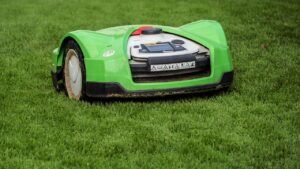
Robotic lawn mowers are the latest innovation in lawn care. These small, autonomous mowers navigate and cut your lawn on their own, using a navigation system and scheduler. Robotic mowers are ideal for small to medium-sized lawns with flat to hilly terrain. They are environmentally friendly, quiet, and require minimal maintenance. However, they can be expensive and may not be suitable for lawns with complex shapes or many obstacles.
- Strengths:
- Convenient and automated
- Environmentally friendly
- Quiet operation
- Current Limitations:
- Expensive
- May not handle complex lawn shapes or obstacles well
Best for: Small to medium-sized lawns with simple shapes and minimal obstacles.
Manual Push Reel Mowers
Manual push reel mowers are a traditional, non-motorized option for lawn care. They are environmentally friendly, quiet, and provide exercise. Manual mowers are best suited for small lawns with flat terrain and are a cost-effective option. However, they can be time-consuming and labor-intensive, especially for larger lawns.
- Strengths:
- Environmentally friendly
- Quiet operation
- Cost-effective
- Current Limitations:
- Time-consuming and labor-intensive
- Not suitable for large lawns
Best for: Small lawns with flat terrain and homeowners looking for a budget-friendly, environmentally friendly option.
| Option | Best For | Difficulty | Cost | Speed |
|---|---|---|---|---|
| Gas Powered | Large lawns | Medium to high | Medium to high | Fast |
| Electric | Small to medium lawns | Low to medium | Low to medium | Medium |
| Cordless | Medium-sized lawns | Medium | Medium to high | Medium to fast |
| Robotic | Small to medium lawns | Low | High | Slow to medium |
| Manual Push Reel | Small lawns | High | Low | Slow |
How to Choose the Right One
Choosing the right lawn mower involves considering several key factors, including the size and terrain of your lawn, your budget, and your personal preferences regarding noise, maintenance, and environmental impact. Size of the lawn is a critical factor, as larger lawns require more powerful mowers. Terrain is also important, as mowers designed for flat terrain may not perform well on hilly or uneven ground. Budget is another significant consideration, as prices can vary widely depending on the type and features of the mower.
Maintenance and upkeep should also be considered. Some mowers, like gas powered ones, require regular maintenance such as oil changes and blade sharpening, while others, like electric and cordless mowers, are generally easier to maintain. Environmental considerations are becoming increasingly important for many homeowners. If reducing your carbon footprint is a priority, electric, cordless, or manual push reel mowers may be more appealing.
Lastly, consider the special features that may enhance your mowing experience. Features like mulching, bagging, adjustable handle height, and scheduling capabilities can make a significant difference in convenience and efficiency. By weighing these factors and considering your specific needs, you can find the lawn mower that best suits your lifestyle and lawn care goals.
It’s also worth considering the long-term costs and benefits of each mower type. While gas powered mowers may seem like a cost-effective option upfront, their long-term costs, including fuel and maintenance, can add up. On the other hand, electric and cordless mowers, although possibly more expensive to purchase, can save you money in the long run with lower operating costs.
What This Means in Practice
Picking the right lawn mower can have a significant impact on your weekly routine. With the right mower, what was once a daunting task can become a manageable and even enjoyable part of your weekend. For instance, if you have a small lawn with flat terrain, a manual push reel mower can provide a cost-effective and environmentally friendly way to keep your lawn manicured, while also giving you some light exercise.
For those with larger lawns or more complex terrain, a gas powered or cordless mower might be more suitable, offering the power and flexibility needed to efficiently cut your lawn. The time saved by using a more appropriate mower can be significant, allowing you to focus on other aspects of your garden or simply enjoy your outdoor space more.
Moreover, the right lawn mower can contribute to a healthier lawn. By choosing a mower that suits your lawn’s specific needs, you can prevent damage to the grass and soil, promoting a lush and vibrant appearance. This, in turn, can enhance the aesthetic appeal of your home and even increase its value.
Environmentally, the right choice can lead to a reduction in air pollution and noise pollution, creating a more pleasant living environment for you and your neighbors. This is especially important in residential areas where outdoor spaces are valued for relaxation and recreation.
In terms of budget, while the initial purchase price of a lawn mower is a consideration, it’s also important to think about the long-term costs. Some mowers, like electric and cordless models, may have lower operating costs over time, which can offset a higher initial purchase price.
Ultimately, the decision on which lawn mower to choose comes down to a balance of these factors. By considering the size and terrain of your lawn, your budget, and your preferences regarding maintenance, noise, and environmental impact, you can find a mower that not only meets your needs but also enhances your overall lawn care experience.
Wrapping Up
To wrap up, selecting the right lawn mower is a decision that should be based on a thorough consideration of your lawn’s specific needs, your personal preferences, and the long-term costs and benefits of each option. By understanding the basics of lawn mowers, comparing the different types available, and evaluating the pros and cons of each, you can make an informed decision that will serve you well for years to come. Whether you opt for a traditional gas powered mower, an environmentally friendly electric model, or a state-of-the-art robotic mower, the key is finding the tool that best fits your lifestyle and lawn care goals.